Estimated Reading Time
8–10 minutes
Key Takeaways
Common commercial flat roofing systems last 15–30 years, depending on the material and how well they’re maintained.
Climate, drainage, installation quality, and rooftop traffic all have a significant impact on longevity.
Semi-annual inspections and prompt repairs are the best ways to maximize service life and protect your investment.
1. Introduction: Why Lifespan Matters
A commercial roof protects your entire operation—inventory, equipment, and the people inside. Understanding how long your roof is designed to last helps you plan for capital expenses and avoid sudden, costly failures. Because “flat” roofs actually have a slight slope to shed water, their durability is tied to design, materials, and maintenance habits.
2. Average Lifespans by Roofing Material
Different flat roof systems offer different service-life expectations:
Built-Up Roofing (BUR): Layers of asphalt and reinforcing fabric create a tough, multi-ply surface that can last 20–30 years when maintained.
Modified Bitumen: Similar to BUR but with added polymers for flexibility. Typically lasts 15–25 years.
EPDM Rubber Membrane: A single-ply synthetic rubber that resists UV and ozone damage. Lifespan is usually 20–30 years.
TPO (Thermoplastic Polyolefin): Reflective, energy-efficient, and durable when seams are heat-welded correctly. Expect 20–30 years.
PVC Membrane: Strong chemical resistance and heat-welded seams give PVC a service life of 20–30 years.
These ranges assume professional installation and consistent maintenance. Poor workmanship or neglected repairs can cut life expectancy in half.
3. Key Factors That Affect Lifespan
Installation Quality
The single most important variable is how well the roof is installed. Proper slope and drainage design prevent ponding water, while skilled seam welding and flashing details keep moisture out. Always hire a certified commercial roofing contractor with a proven track record.
Climate and Weather
UV rays, freeze–thaw cycles, heavy snow loads, and high winds all accelerate wear. In sunny climates, reflective coatings help reduce thermal stress. In cold regions, membranes need flexibility to survive repeated freezing and thawing.
Drainage and Ponding Water
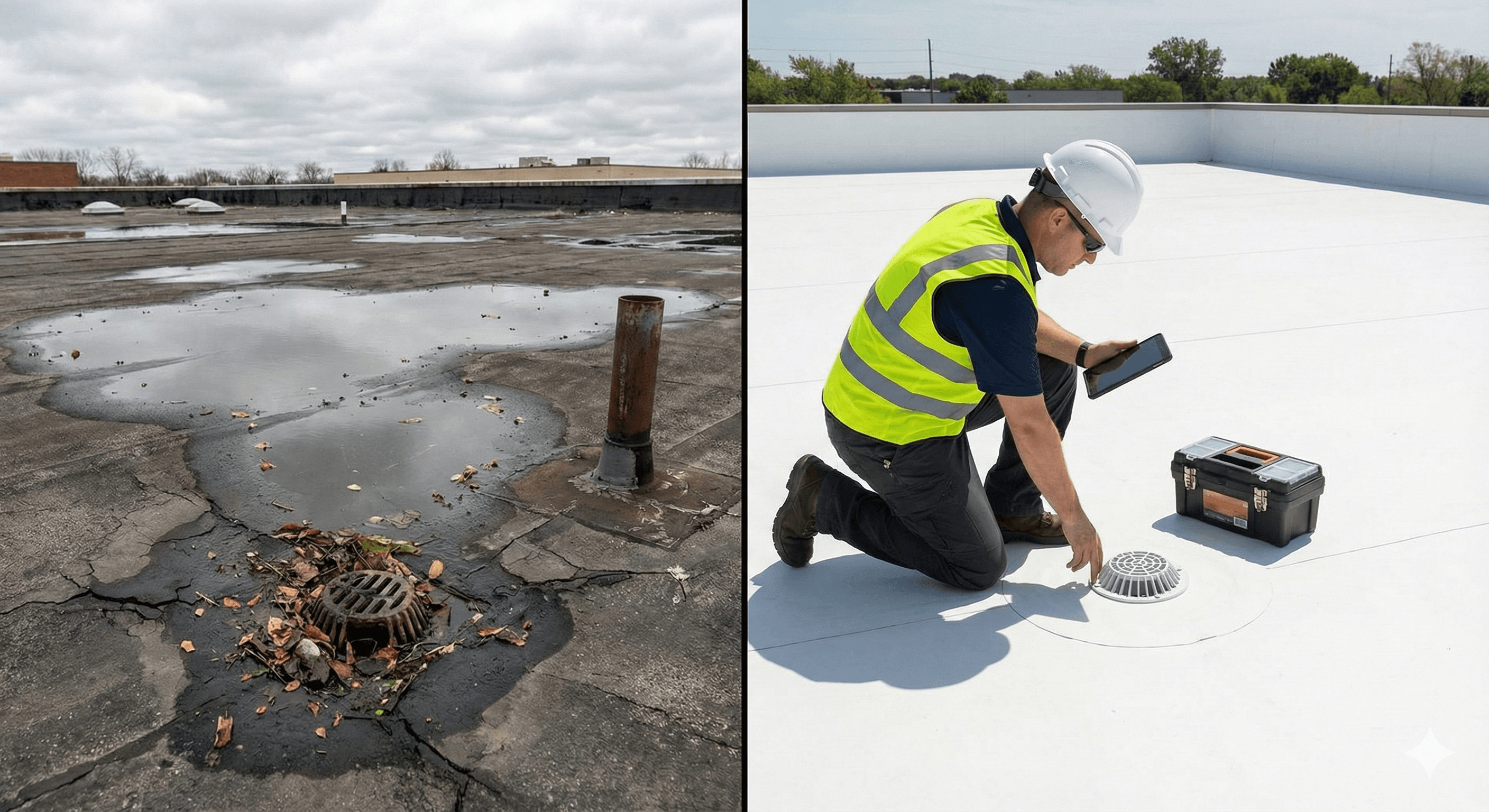
Flat roofs rely on subtle slopes and internal drains to move water. Standing water breaks down membranes, encourages algae growth, and can freeze into damaging ice. Regular gutter and drain maintenance is critical.
Foot Traffic and Mechanical Equipment
HVAC units, vents, and satellite installations require workers to cross the roof. Frequent foot traffic can puncture membranes and wear protective surfaces. Walk pads and clearly marked pathways protect high-traffic zones.
Maintenance and Inspections
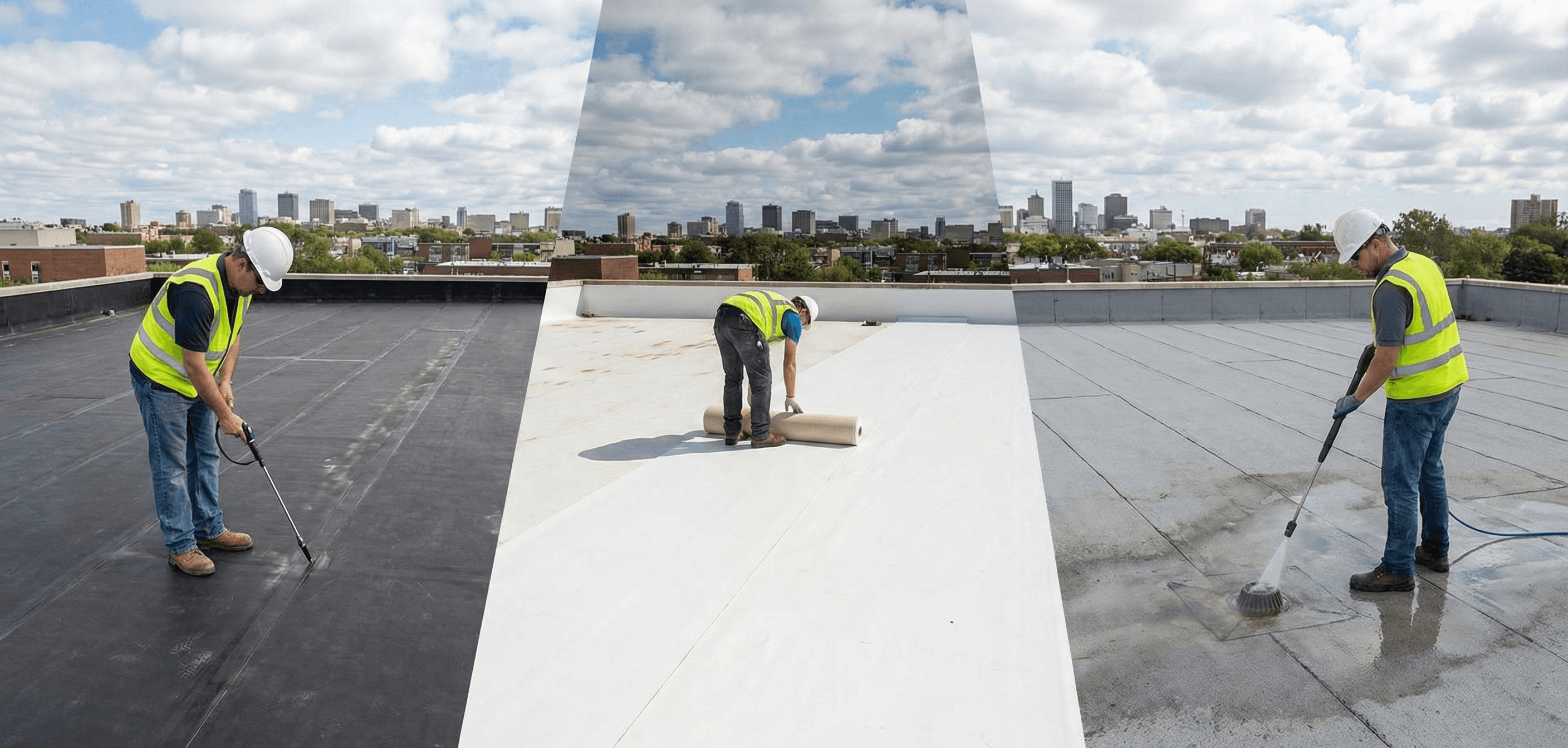
Industry best practice calls for semi-annual inspections—once in the spring and once in the fall—and additional checks after major storms. Promptly sealing small cracks, tightening flashings, and cleaning debris can add years to a roof’s life.
4. Signs Your Flat Roof Is Nearing the End
Watch for these warning signals:
Persistent leaks or water stains inside the building.
Blisters, cracks, or open seams on the membrane.
Sagging or soft spots where water pools.
Noticeably higher heating or cooling bills from insulation breakdown.
Catching these issues early allows for targeted repairs or a planned replacement rather than an emergency tear-off.
5. Extending the Life of Your Roof
A proactive maintenance plan is the best insurance for longevity. Options include:
Preventive Maintenance Contracts: Professional roofers perform scheduled inspections and small repairs.
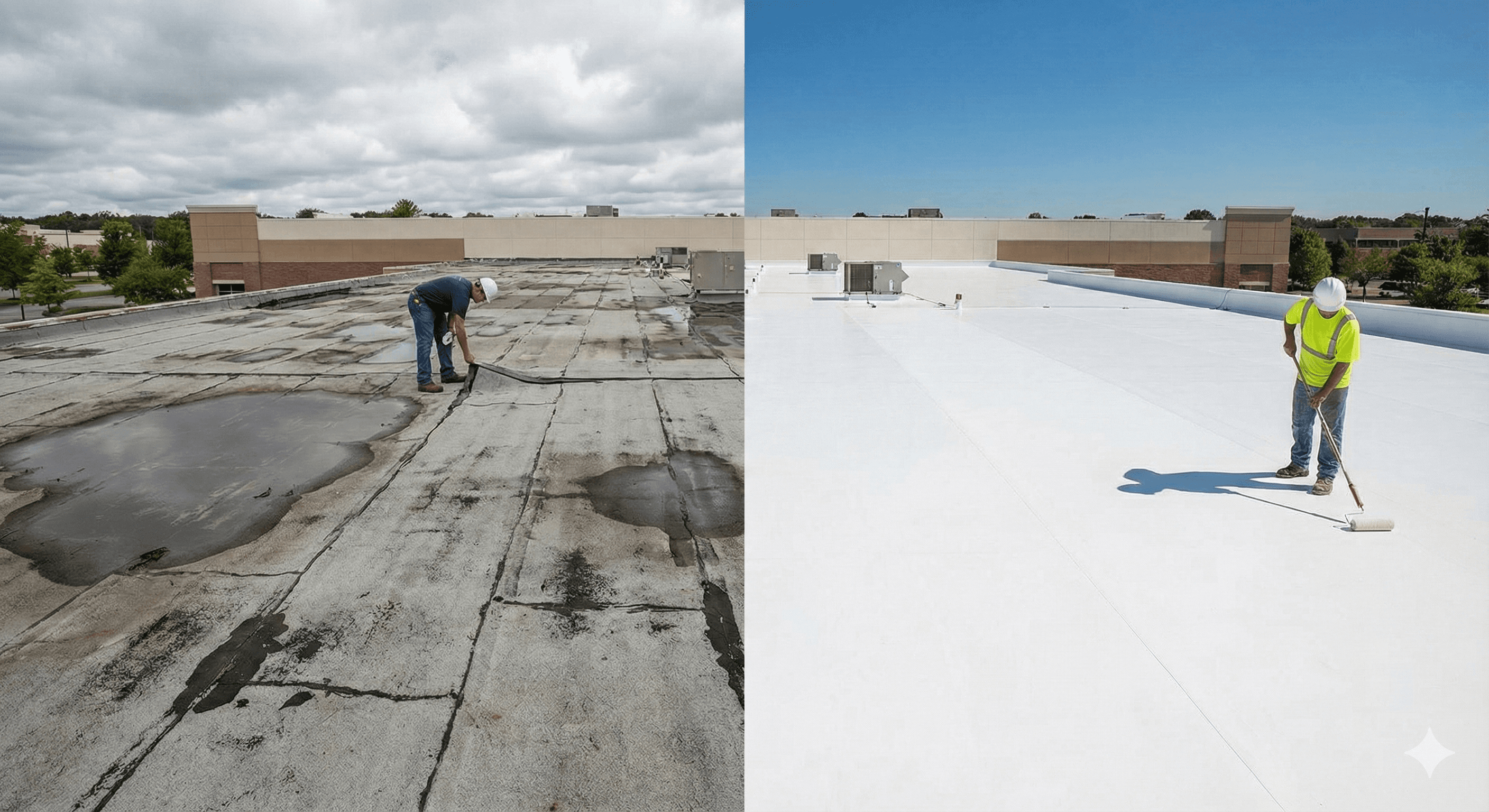
Reflective or Protective Coatings: Elastomeric coatings or silicone layers can reduce UV damage and add up to 10 years of service life.
Timely Repairs: Addressing punctures or loose flashings immediately prevents small leaks from becoming structural problems.
6. Budgeting for Replacement
Knowing the lifespan of your roofing system helps you plan capital reserves. Replacement costs vary widely:
Single-Ply Membranes (EPDM, TPO, PVC): roughly $6–$12 per square foot installed.
Built-Up or Modified Bitumen: typically $8–$14 per square foot installed, depending on insulation and number of plies.
Start setting aside funds early—most owners plan for a 20–30 year replacement cycle.
7. Conclusion & Call to Action
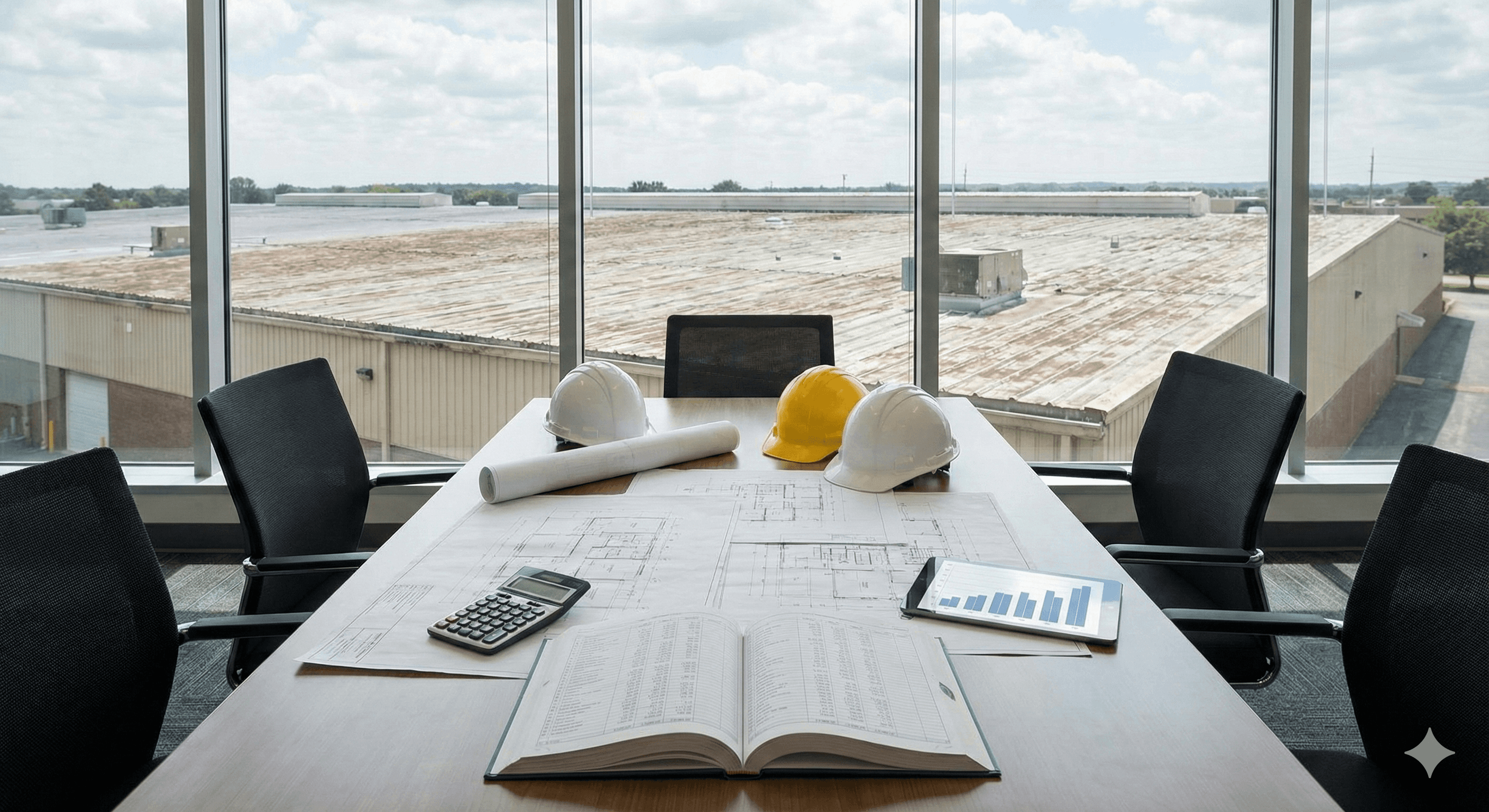
A well-installed, well-maintained commercial flat roof can protect your property for decades, but only if you stay ahead of wear and tear. Schedule professional inspections twice a year, clear drains regularly, and repair small issues promptly. If your roof is nearing the end of its expected lifespan, begin budgeting for replacement now to avoid costly emergencies.
Next Step: Contact a qualified commercial roofing contractor to schedule a comprehensive inspection and receive a life-expectancy assessment tailored to your specific roof.