
Estimated Reading Time: 10–12 minutes
Key Takeaways
A professional flat roof installation usually takes one to three weeks from tear-off to final inspection.
Weather, building complexity, material availability, and mid-project surprises can add days or even weeks.
Rushing installation risks leaks, voided warranties, and costly premature repairs—patience protects your investment.
Why Timelines Matter
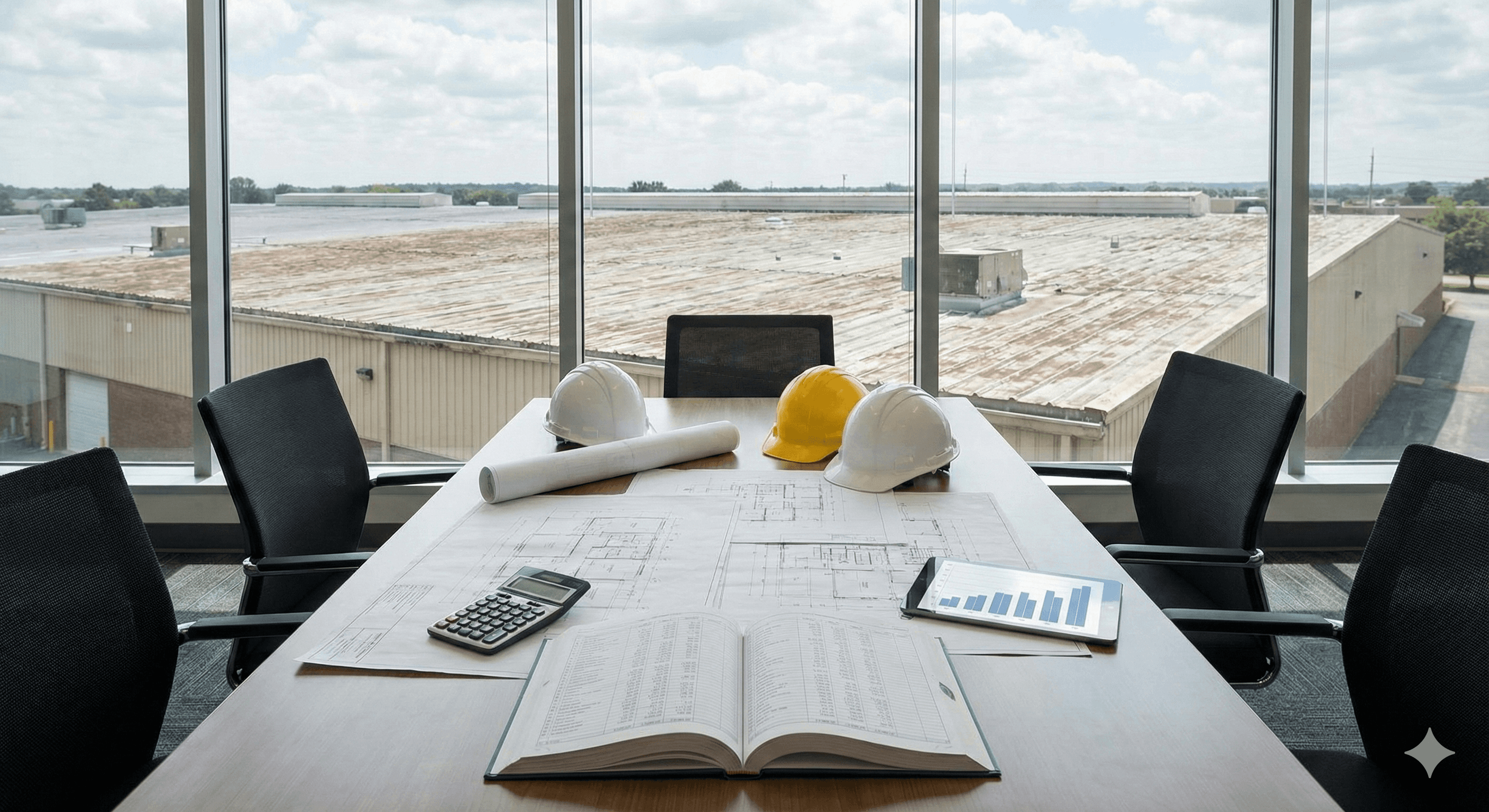
Replacing or installing a flat roof impacts your business operations, tenant comfort, and bottom line. A clear schedule allows you to plan around noise, equipment movement, and temporary closures. But unlike interior renovations, roofing is entirely at the mercy of weather and building conditions. A seasoned contractor will set a realistic timeline and prioritize quality over speed, ensuring your new roof performs reliably for decades.
Typical Flat Roof Installation Timeline
Every building is unique, but most commercial flat roof projects follow a similar sequence:
Planning and Permitting (1–3 Weeks)
Before a crew steps onto the roof, designs are finalized, permits are secured, and materials are ordered. This stage includes inspections of the existing structure and coordination with local building departments.
Tear-Off and Deck Preparation (2–5 Days)
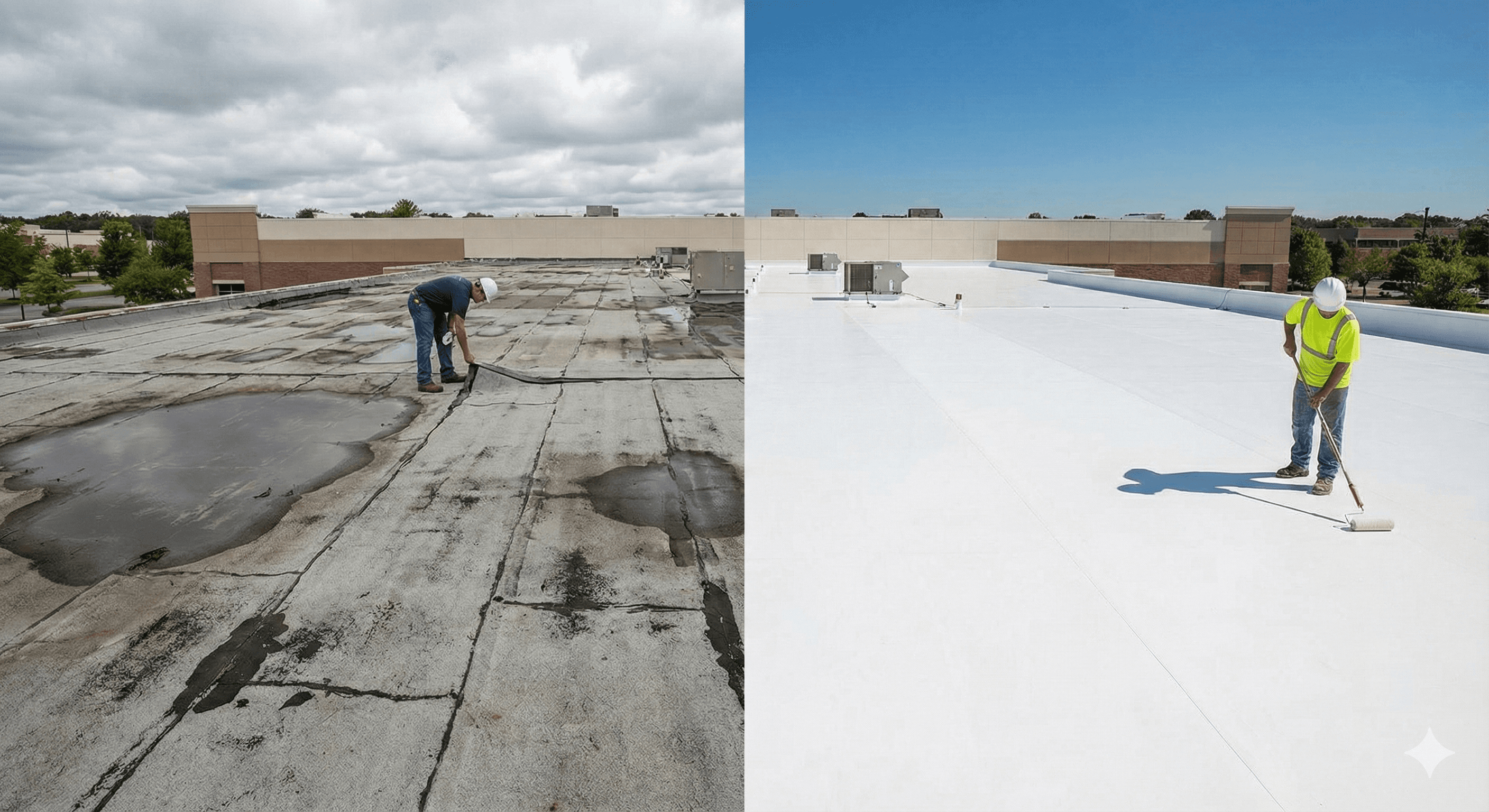
Old roofing materials are removed and the deck is inspected for hidden damage. Any rotted or weakened sections are replaced to create a solid foundation.
Insulation and Vapor Barrier Installation (1–3 Days)
Insulation is installed to meet energy codes and prevent heat loss, while vapor barriers guard against moisture infiltration.
Membrane Installation (3–7 Days)
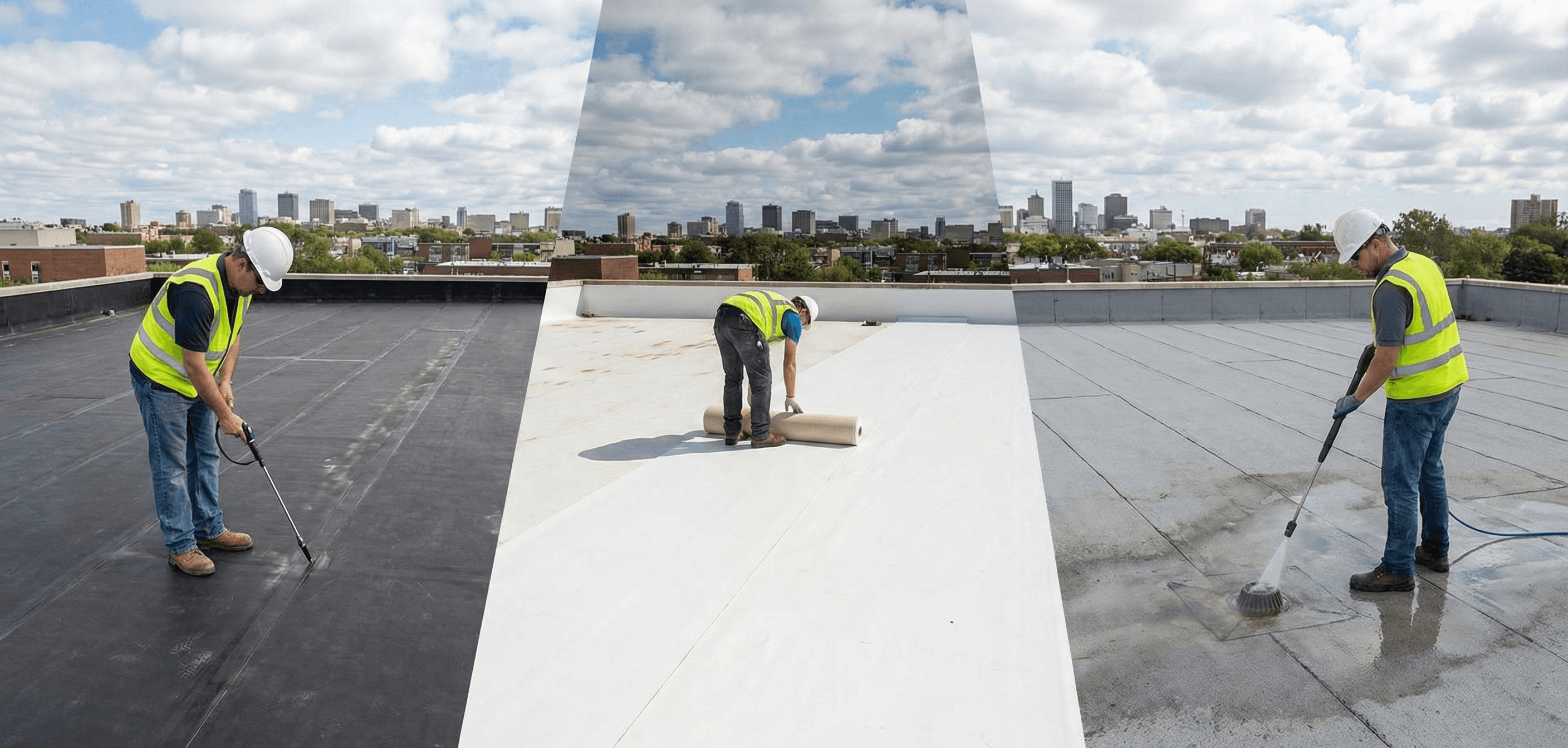
The main roofing membrane—EPDM, TPO, PVC, or built-up roofing—is applied. The time varies based on the system chosen and the building’s size.
Final Inspections and Cleanup (1–2 Days)
The project wraps up with a thorough inspection to verify code compliance and manufacturer warranty requirements, followed by a detailed cleanup of the site.
This entire process generally takes between one and three weeks, provided conditions are ideal.
What Can Extend the Schedule
Even with careful planning, some factors can lengthen the timeline:
Unpredictable Weather
Rain, snow, or high winds can halt work and delay drying times for adhesives and coatings. Contractors must wait for safe, dry conditions to protect the integrity of the installation.
Building Size and Complexity
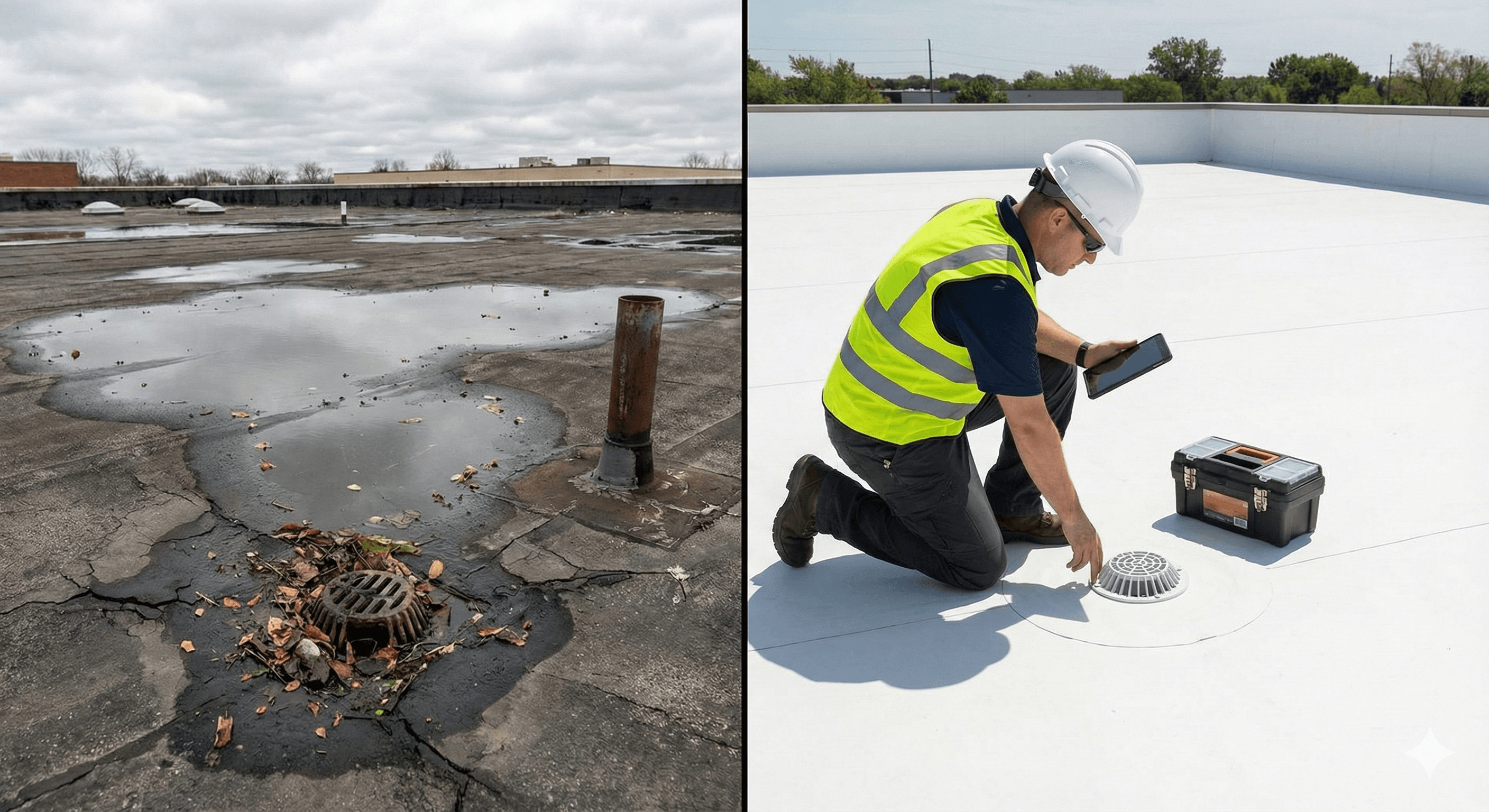
Large footprints or roofs with numerous penetrations—like HVAC units, skylights, and drains—require more labor and meticulous detailing.
Material Lead Times
Specialty membranes, custom flashing, or unique insulation products may have longer shipping windows, especially during peak construction seasons.
Structural Surprises
Hidden moisture, rotten decking, or inadequate drainage often surface after tear-off, requiring additional repairs and inspection time.
Crew Coordination
Professional roofers often manage multiple projects at once to keep costs down. While this allows them to maintain competitive pricing, it can mean flexible scheduling if unexpected issues arise on other job sites.
Why Taking the Time Pays Off
It’s tempting to push for the shortest possible completion date, but rushing a flat roof installation is risky:
Quality Workmanship – Proper seam welding, flashing installation, and drainage setup demand patience and precision.
Warranty Protection – Manufacturers require specific installation steps and inspections. Skipping or hurrying these can void coverage.
Long-Term Savings – A carefully installed roof resists leaks and energy loss, avoiding premature replacement and costly emergency repairs.
A few extra days during installation can mean an additional decade of trouble-free service.
Keeping Your Project on Track Without Cutting Corners
To stay on schedule while preserving quality, work with a contractor who values transparency and proactive communication:
Choose an experienced commercial roofer with a proven record of on-time, high-quality installations.
Discuss contingencies for weather delays and hidden structural issues before signing a contract.
Schedule your project during a season with historically stable weather whenever possible.
Request regular progress updates and maintain open communication about potential adjustments.
These steps help you plan accurately while giving the contractor the time needed to meet both building code and manufacturer standards.
Conclusion: Quality Over Speed
A flat roof is a decades-long investment. While the core installation may take just a few weeks, conditions beyond anyone’s control can add days or even weeks to the timeline. Allowing your roofing team the time to work methodically ensures proper drainage, long-lasting seams, and full warranty protection.
Bottom line: A carefully installed roof will protect your building for decades. Waiting a little longer today is a small price to pay for decades of peace of mind tomorrow.