Estimated Reading Time: 5 minutes
Key Takeaways
Documented annual inspections and regular maintenance preserve warranties and significantly extend roof life.
A structured maintenance plan—covering drainage, membrane care, and seasonal adjustments—prevents costly surprises.
Partnering with a full-service roofing contractor simplifies scheduling, protects your investment, and provides reliable records for insurance and resale.
Why Proactive Maintenance Matters
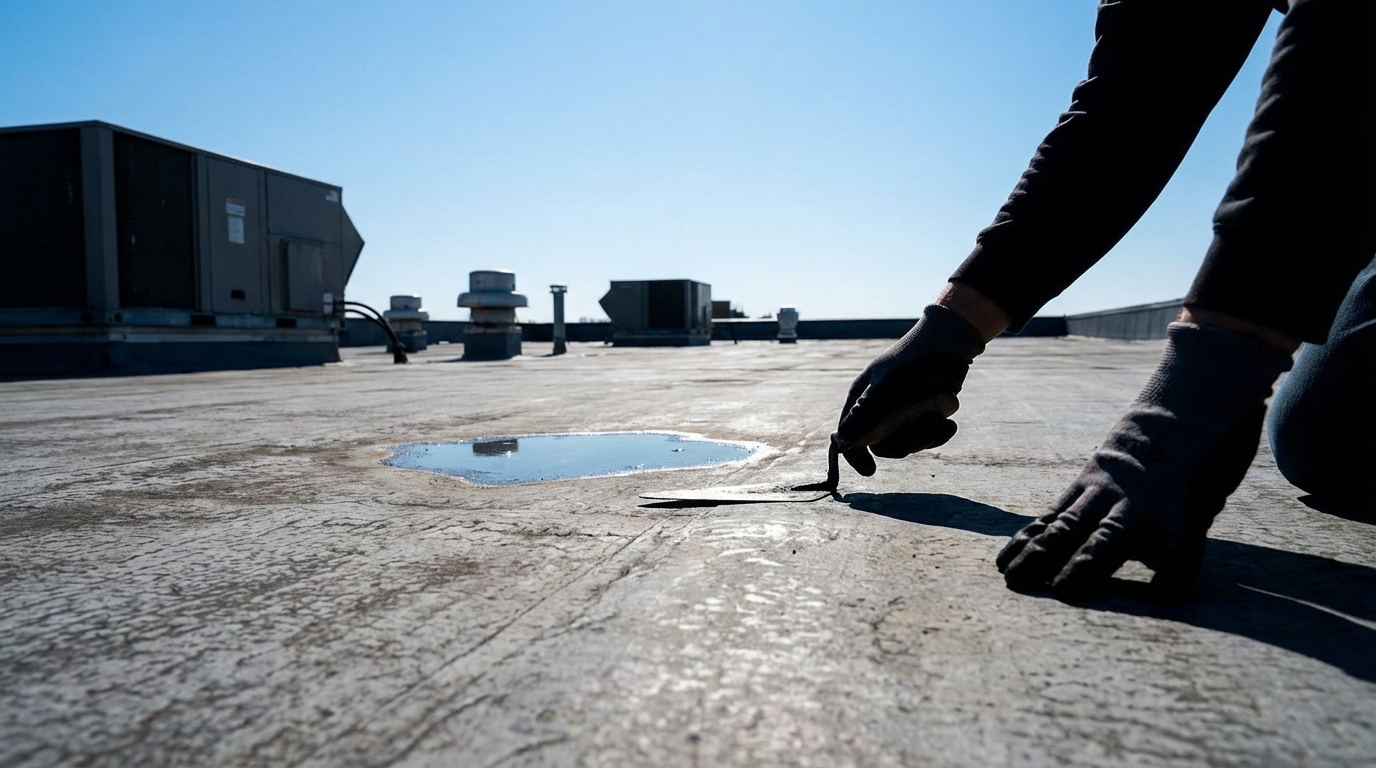
Flat roofs endure constant exposure to UV rays, standing water, and foot traffic. Small problems—like a hairline crack or clogged drain—can lead to soaked insulation, structural rot, and interior leaks before anyone notices. Emergency repairs are always more expensive than planned maintenance. By scheduling inspections and preventative care, building owners avoid sudden budget shocks, maintain energy efficiency, and keep warranties intact.
Understanding Your Flat Roof System
Not all flat roofs are alike. Common types include:
EPDM: A durable rubber membrane resistant to UV rays and weathering.
TPO and PVC: Single-ply membranes known for energy efficiency and reflective surfaces.
Modified Bitumen: Asphalt-based layers reinforced with fiberglass or polyester.
Built-Up Roofing (BUR): Multiple layers of asphalt and felt for extra protection.
Each material responds differently to temperature swings, moisture, and foot traffic. Review your manufacturer’s warranty for specific inspection and maintenance requirements; skipping recommended care can void coverage.
The Annual Inspection Schedule
Plan at least two professional inspections per year—one in spring after winter freeze–thaw cycles and one in fall before cold weather returns. Add inspections after major storms with heavy rain, hail, or high winds.
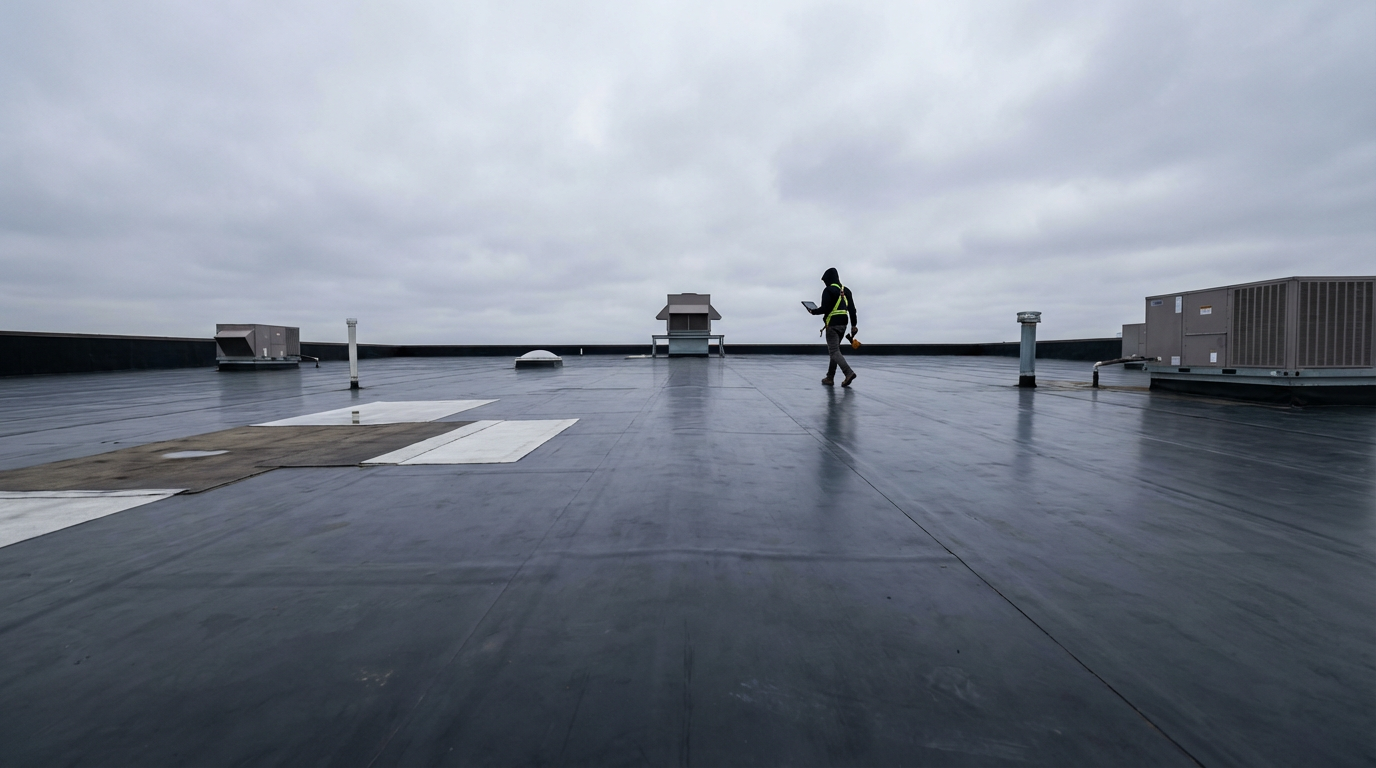
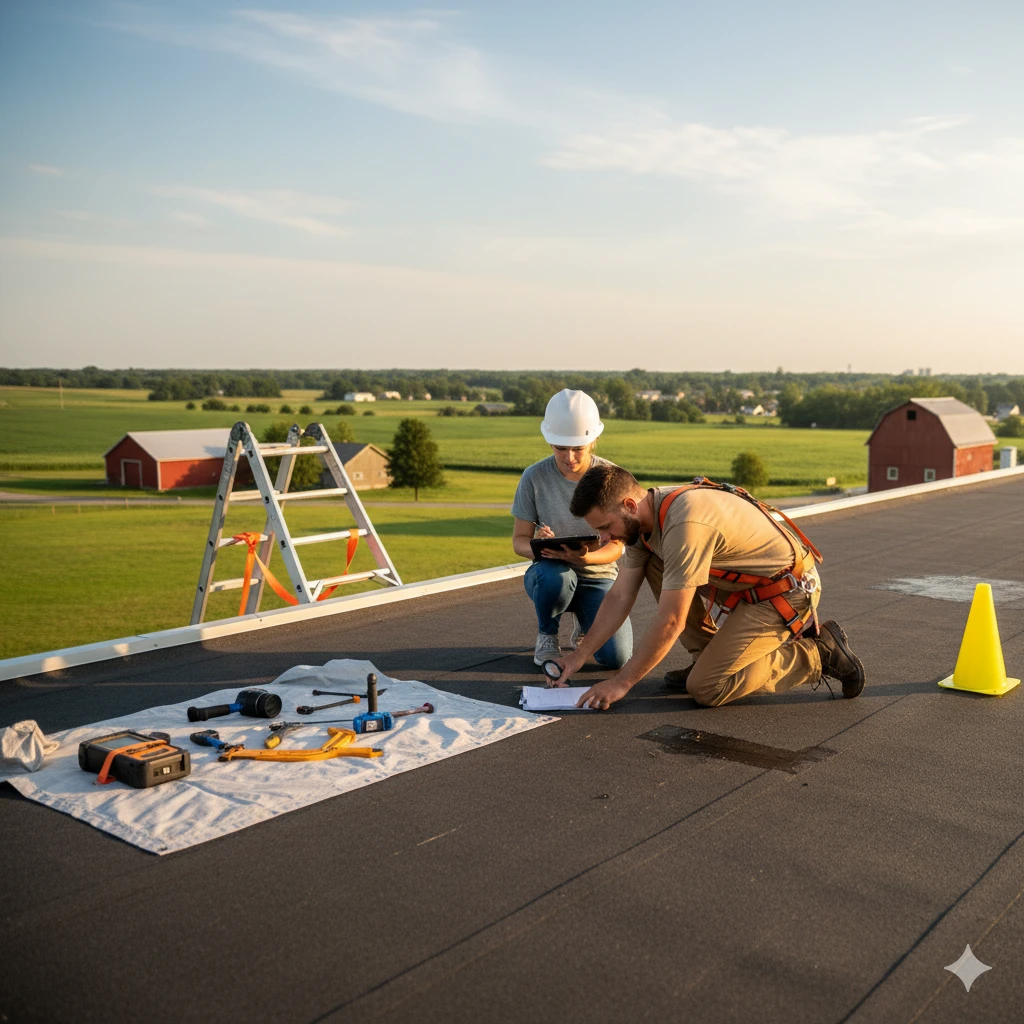
A licensed commercial roofer should perform the inspection, documenting every finding with photos and a written report. This record is invaluable for warranty claims, insurance documentation, and long-term planning.
Pre-Inspection Preparation
Before the contractor arrives:
Remove loose debris and clear roof access points.
Review past maintenance records and warranties.
Inform tenants or staff to minimize rooftop traffic during the visit.
This preparation ensures a thorough inspection and helps your roofer spot new issues without distraction.
Key Areas to Inspect
A detailed annual inspection should include:
Membrane Surface: Look for punctures, blisters, cracks, or signs of shrinkage.
Seams and Flashing: Check for separation or gaps around walls, HVAC curbs, and skylights.
Drainage System: Verify drains, scuppers, and gutters are clear and functioning.
Penetrations: Inspect around vents, skylights, and pipes for deteriorated seals.
Parapet Walls and Edges: Identify cracks, loose coping, or movement that could let water in.
Interior Indicators: Watch for ceiling stains, damp odors, or sudden increases in HVAC costs—signs of hidden leaks.
Routine Maintenance Tasks
Inspections identify problems; maintenance prevents them. A comprehensive plan includes:
Regular debris removal to stop ponding water.
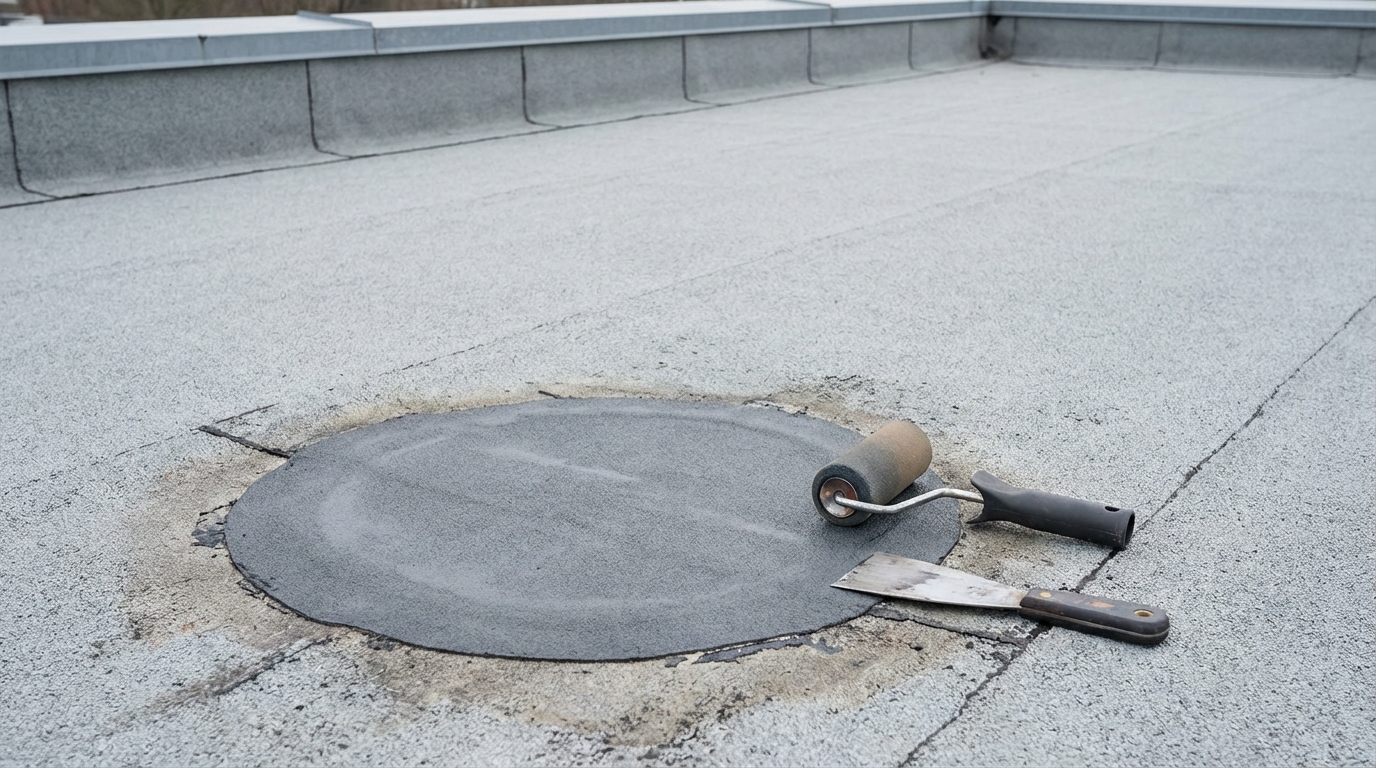
Tightening or replacing loose fasteners and sealants.
Resealing seams and applying reflective or elastomeric coatings for UV protection.
Checking and replacing wet or damaged insulation.
Installing or repairing walk pads in high-traffic service areas to prevent punctures.
These tasks can often be handled during scheduled inspections, reducing the need for separate service visits.
Seasonal Considerations
Each season poses unique challenges:
Winter: Monitor snow loads and remove ice dams to prevent excess weight and water intrusion.
Spring: Inspect for freeze–thaw damage, seam separations, and clogged drains.
Summer: Check reflective coatings and watch for heat-related membrane expansion.
Fall: Clear heavy leaf debris and confirm drainage systems are ready for winter storms.
By tailoring maintenance to the calendar, you protect the roof year-round.
Advanced Preventative Measures
Beyond routine care, consider:
Infrared Moisture Scans: Detect hidden leaks before they damage insulation or decking.
Energy Audits: Evaluate insulation performance to lower heating and cooling costs.
Drainage Upgrades: Add tapered insulation or new drains to eliminate chronic ponding areas.
These proactive steps catch invisible issues and extend service life even further.
Partnering With a Full-Service Roofing Contractor
A long-term relationship with a full-service roofer is one of the smartest investments a building owner can make. Look for a contractor who installs, repairs, maintains, and revitalizes roofs. Benefits include:
Priority scheduling for emergencies.
Consistent documentation for warranties and insurance.
Familiarity with your roof’s history, making future repairs faster and more accurate.
Ask about certifications, safety records, and sample maintenance agreements before signing a contract.
Budgeting and Record Keeping
A solid maintenance program requires financial planning. Create a yearly budget for inspections, small repairs, and coatings, and maintain detailed records of every visit. These files prove warranty compliance, support insurance claims, and enhance property value when selling or refinancing.
Common Mistakes to Avoid
Skipping inspections when there are no visible leaks.
Allowing untrained personnel or other trades to access the roof unsupervised.
Ignoring minor repairs that can escalate into major structural issues.
Avoiding these pitfalls protects both your roof and your bottom line.
Conclusion & Action Plan
A flat roof is a decades-long investment, but only if you maintain it properly. Schedule spring and fall inspections, document every repair, and partner with a reputable full-service roofer who can handle installation, maintenance, and revitalization.
Action Steps:
Book a professional inspection if it’s been more than six months since the last one.
Establish a written maintenance plan with your contractor.
Keep meticulous records to safeguard warranties and streamline future insurance claims.
By treating your roof as a critical asset—and giving it the consistent care it deserves—you’ll protect your building, reduce energy costs, and add years of reliable service to your flat roof.