Estimated Reading Time: 7 minutes
Emergency roof repairs aren't just about stopping leaks—they're your first line of defense against catastrophic equipment damage and inventory loss. When water breaches your commercial roof, you have roughly 24-48 hours before minor damage becomes major financial disaster. The most effective approach combines immediate temporary protection with permanent repair scheduling, executed by certified commercial roofers who understand the urgency of protecting your business assets.
Most facility managers think emergency roof repair is about fixing the roof. Wrong. It's about protecting everything underneath that roof—machinery worth hundreds of thousands, inventory that can't be replaced overnight, and operations that generate revenue every day they run smoothly.
Why Speed Matters More Than Perfect Repairs
Water damage follows a predictable timeline that works against you. Hour one: water finds the leak. Hours 2-6: it spreads across flat roof surfaces, seeking the lowest point. Hours 6-24: it penetrates insulation, ceiling materials, and begins dripping onto equipment or inventory below. Day two: electrical systems face risk. Day three: mold begins forming in organic materials.
Your equipment doesn't care if the permanent repair takes three weeks to schedule. It cares about the water hitting it right now. Emergency flat roof repair protocols prioritize stopping water infiltration immediately, then addressing the root cause systematically.
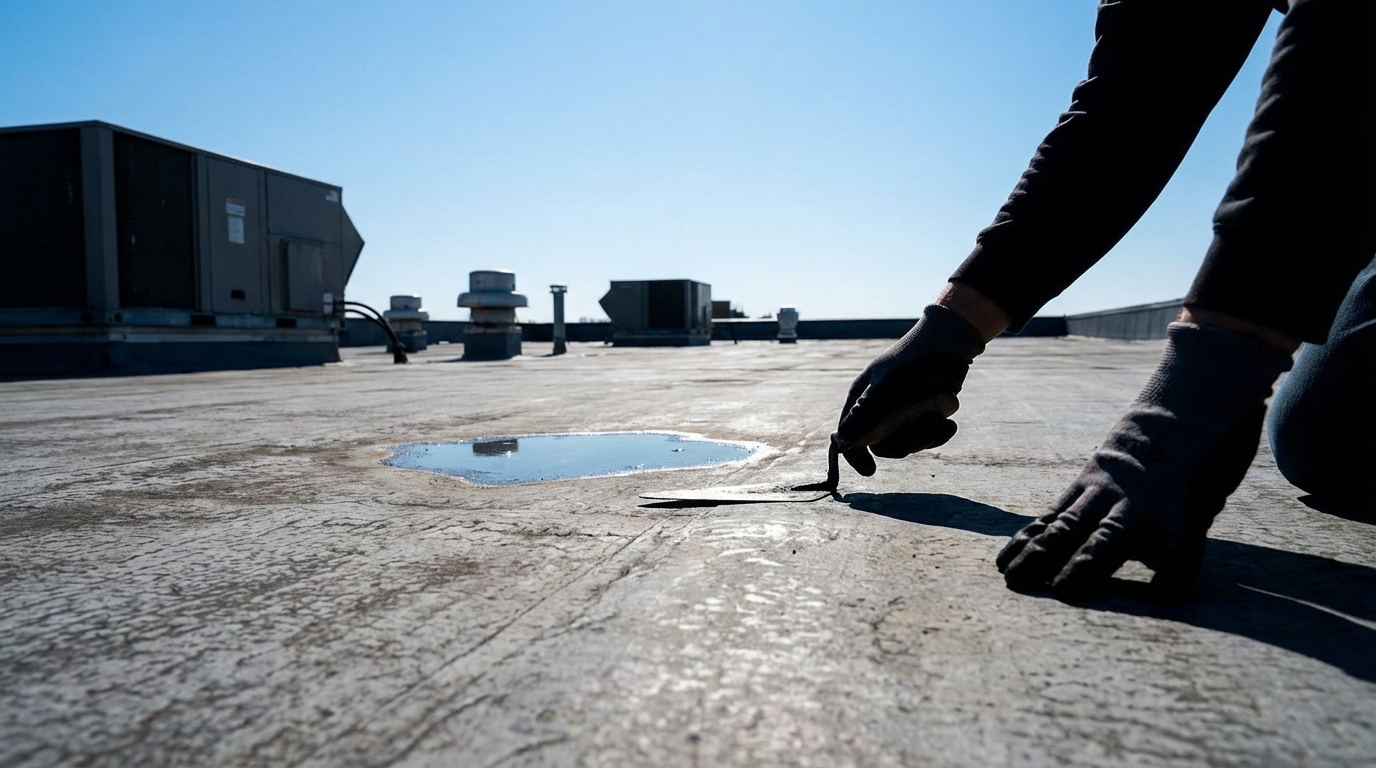
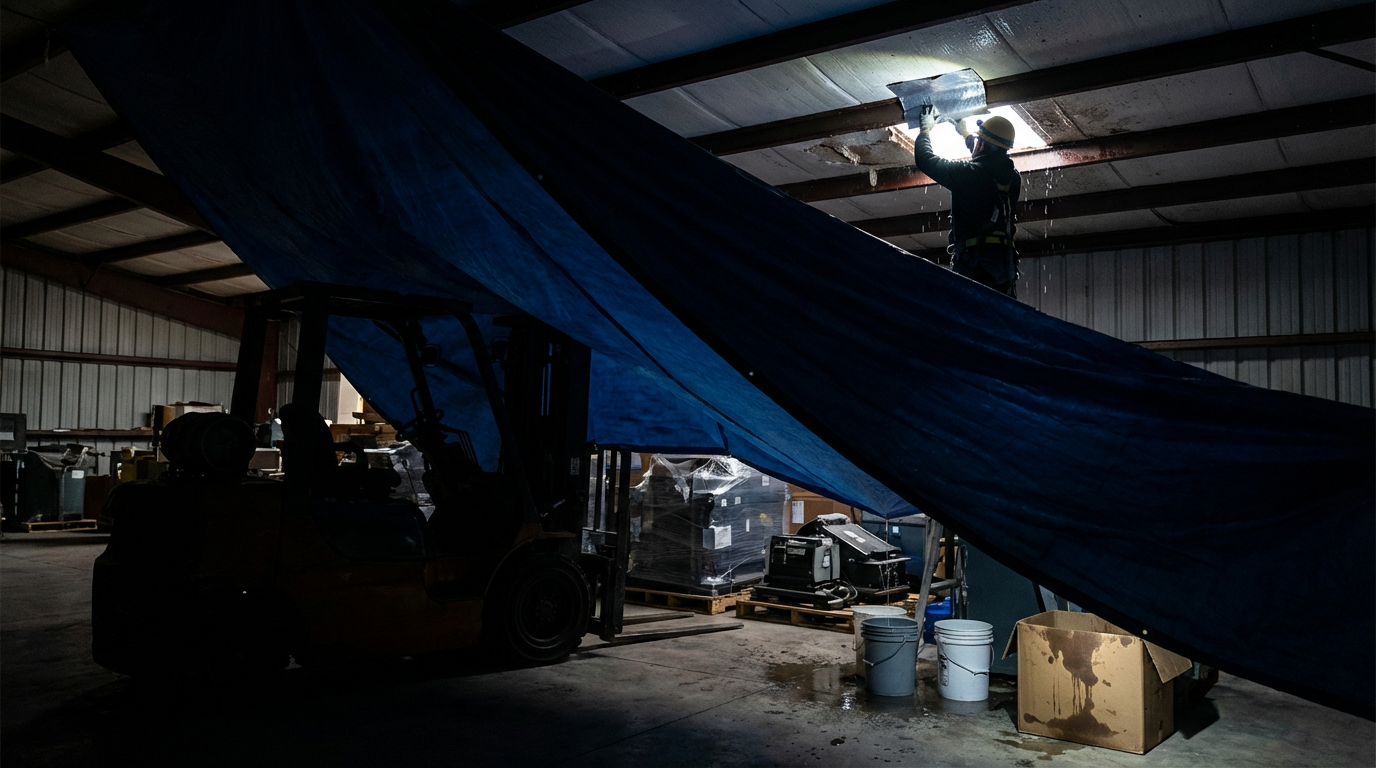
Professional emergency response teams arrive with temporary sealing materials, tarps rated for commercial use, and the experience to identify whether you're dealing with a simple puncture or a more complex membrane failure. They buy you time to make informed decisions about permanent repairs instead of rushing into costly mistakes.
The True Cost of Delayed Response
A single server rack damaged by roof leaks can cost $50,000 to replace. Warehouse inventory exposed to water damage often becomes total loss due to contamination concerns. Manufacturing equipment requires complete electrical inspection and potential rewiring after water exposure.
Beyond immediate replacement costs, consider operational downtime. A retail store that closes for water damage repair loses daily revenue. A warehouse that can't ship products faces contract penalties. A church that cancels services loses community connection and weekly offerings.
Emergency repairs typically cost $500-2,000 for temporary protection. Equipment replacement and business interruption costs range from $10,000-500,000 depending on your facility. The math is clear: emergency response pays for itself by preventing larger losses.
What Professional Emergency Response Includes
Commercial flat roof repair professionals bring specialized equipment and materials designed for immediate water stoppage. Standard emergency response includes:
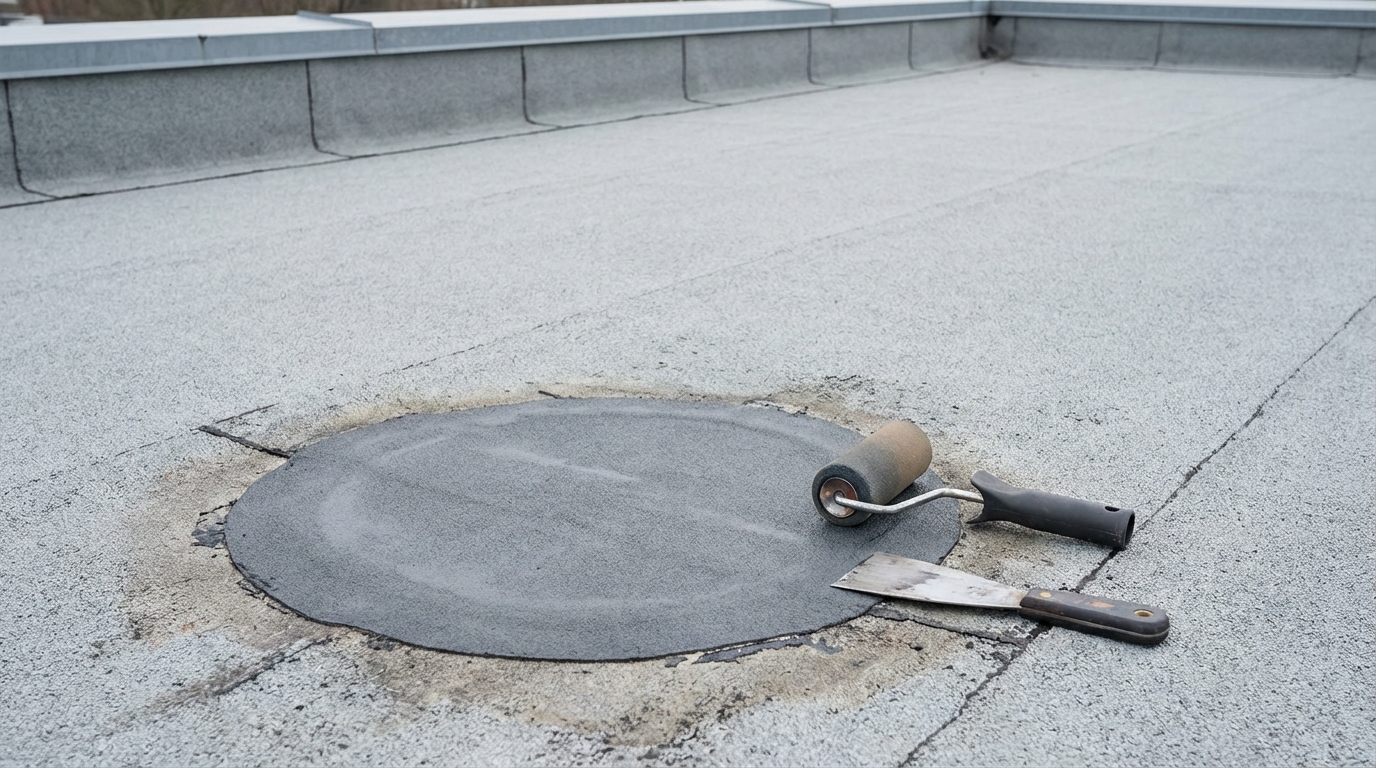
- Temporary membrane patches using commercial-grade adhesives
- Reinforced tarping systems anchored to roof structure
- Emergency drainage solutions to redirect water flow
- Interior protection barriers to contain any ongoing drips
- Documentation for insurance claims
Professional teams also assess whether the emergency requires immediate evacuation of equipment or inventory from affected areas. They understand which repairs can wait and which demand instant attention to prevent catastrophic loss.
Why DIY Emergency Repairs Fail
Hardware store tarps and roofing cement seem like logical emergency solutions. They're not. Consumer-grade materials lack the adhesion, durability, and weather resistance required for commercial flat roof applications. Improper installation often creates additional leak points or damages surrounding membrane areas.
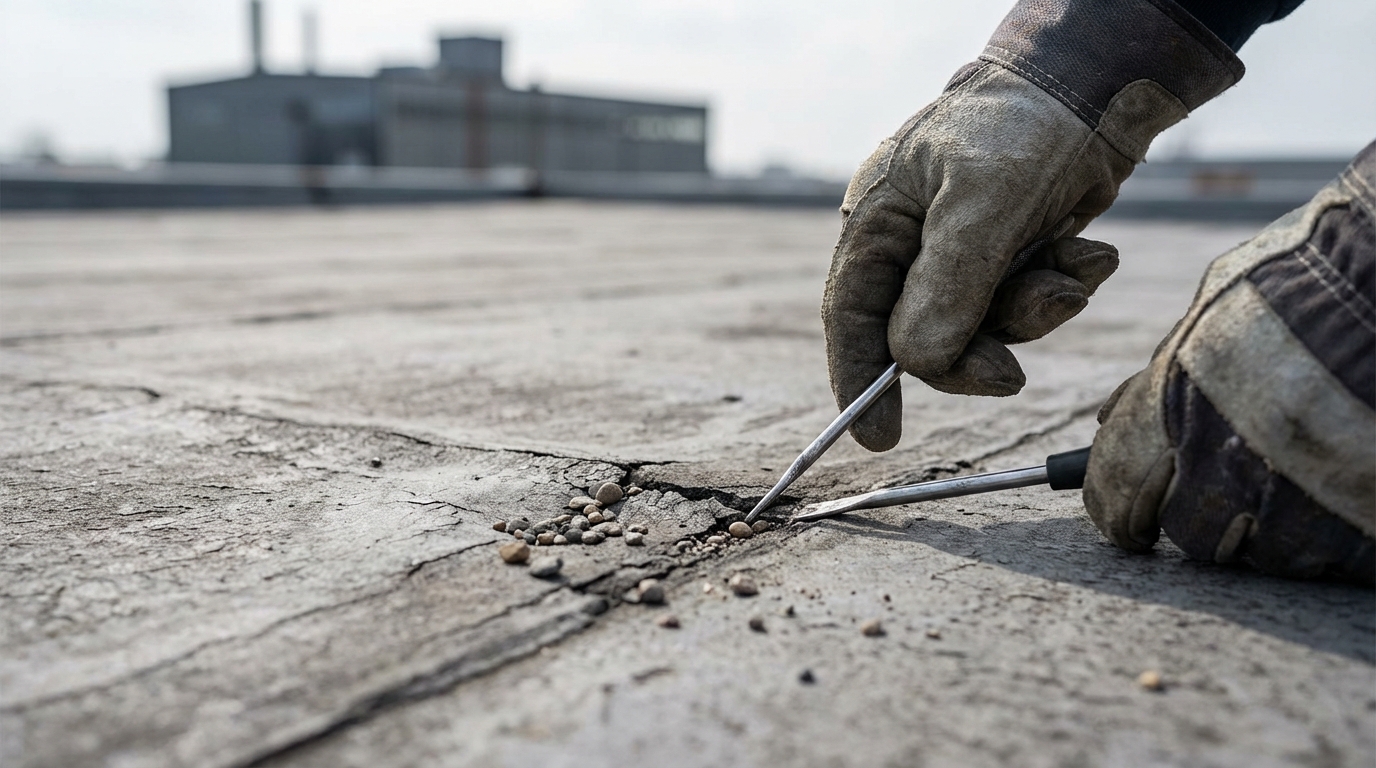
More critically, DIY repairs delay professional assessment of the underlying problem. What appears to be a simple puncture might indicate broader membrane failure, structural issues, or drainage problems that will cause future emergencies.
Professional emergency repairs use materials compatible with your existing roof system. They understand how different membrane types (EPDM, TPO, PVC, modified bitumen) require specific repair approaches. They also coordinate temporary repairs with permanent solutions, ensuring emergency patches don't interfere with proper restoration.
Equipment-Specific Protection Strategies
Different types of equipment require different protection approaches during roof emergencies:
Electronic Equipment: Requires immediate power disconnection if water threatens electrical components. Emergency teams coordinate with facility managers to safely shut down systems and protect sensitive electronics with moisture barriers.
Manufacturing Machinery: Often too large to move, requiring strategic tarp placement and drainage redirection. Professional teams understand how to protect machinery without interfering with ventilation or access requirements.
Inventory and Materials: May require rapid relocation to unaffected areas. Emergency response includes assessment of which items can be safely moved and which require in-place protection.
HVAC Systems: Rooftop units face direct exposure during roof failures. Emergency repairs often include temporary weather protection for mechanical equipment while roof repairs proceed.
The Insurance Claims Advantage
Professional emergency roof repair documentation significantly improves insurance claim outcomes. Certified commercial roofer in Elkhart Indiana teams understand insurance requirements and document damage, repair efforts, and equipment protection measures in formats insurance adjusters expect.
Emergency response records demonstrate you took reasonable steps to minimize damage after the initial incident. This documentation often determines whether insurance covers secondary damage to equipment and inventory or classifies losses as preventable.
Professional teams also coordinate with insurance adjusters to ensure emergency repairs don't compromise future permanent repair approvals. They understand which temporary measures insurance companies accept and which might complicate claims.
Regional Weather Considerations
Northern Indiana and Southwest Michigan weather patterns create specific emergency repair challenges. Winter ice dams can cause sudden membrane failure when temperatures fluctuate. Spring storms bring heavy rainfall that overwhelms damaged drainage systems. Summer heat can accelerate membrane deterioration around emergency patches.
Industrial Roofing Services Michiana teams understand local weather patterns and design emergency repairs to withstand regional climate conditions. They stock materials appropriate for seasonal challenges and maintain emergency response capabilities during severe weather periods.
Local expertise also means faster response times. Regional commercial roofing contractors maintain supply inventories and crew availability specifically for area weather emergencies.
Planning Your Emergency Response Protocol
Effective emergency roof repair starts before the emergency occurs. Establish relationships with certified commercial roofing contractors who offer 24/7 emergency services. Document your facility's critical equipment locations and insurance requirements. Create communication protocols for after-hours emergencies.
Maintain basic emergency supplies including plastic sheeting, buckets, and flashlights, but understand these are temporary measures until professional help arrives. Know how to safely shut down electrical systems in affected areas and have contact information for utility companies if power disconnection becomes necessary.
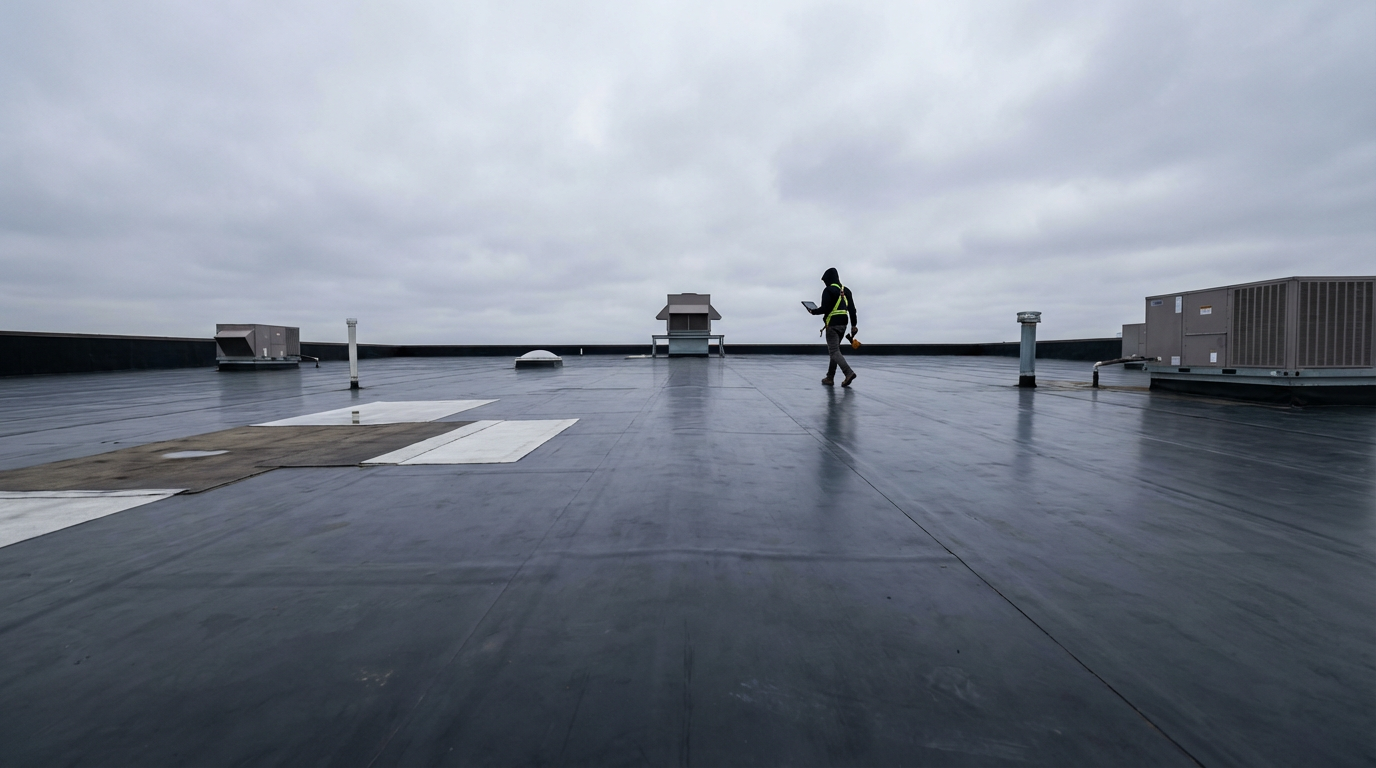
Regular roof inspections help identify potential failure points before they become emergencies. Professional maintenance catches membrane wear, drainage problems, and structural issues that could cause sudden failures during severe weather.
Frequently Asked Questions
How quickly can emergency roof repairs stop active leaks?
Professional emergency teams typically stop active water infiltration within 2-4 hours of arrival, depending on leak size and accessibility. Temporary repairs provide immediate protection while permanent solutions are planned and scheduled.
Will emergency repairs damage my existing roof membrane?
Professional emergency repairs use compatible materials and techniques designed to integrate with permanent repairs. Proper emergency response actually protects surrounding membrane areas from additional water damage that could expand the affected area.
Can I continue operations during emergency roof repairs?
Most emergency repairs allow continued operations in unaffected areas. Professional teams coordinate with facility managers to minimize operational disruption while ensuring safety and equipment protection in affected zones.
What's the difference between emergency repairs and temporary fixes?
Emergency repairs provide immediate water stoppage using professional materials and techniques designed to last until permanent repairs can be completed. Temporary fixes are short-term solutions that may need replacement within days or weeks.
How do emergency repairs affect insurance coverage?
Professional emergency repairs typically improve insurance claim outcomes by demonstrating reasonable efforts to minimize damage. Proper documentation and coordination with adjusters often results in coverage for both emergency response costs and prevented equipment damage.
Should I move equipment before emergency repairs begin?
Equipment relocation depends on the specific situation and equipment type. Professional emergency teams assess whether equipment should be moved, protected in place, or temporarily shut down based on leak severity and equipment sensitivity.
Emergency roof repairs represent the critical decision point between minor facility maintenance and major business disaster. Professional response teams provide immediate water stoppage, equipment protection, and documentation that supports both operational continuity and insurance claims. The investment in professional emergency response typically prevents losses that dwarf the cost of proper emergency intervention.
Your facility's equipment and inventory represent significant investments that deserve protection from water damage. When roof emergencies occur, speed and expertise matter more than cost considerations. Professional emergency response provides the immediate protection your assets need while creating the foundation for proper permanent repairs.