Estimated Reading Time: 8 minutes
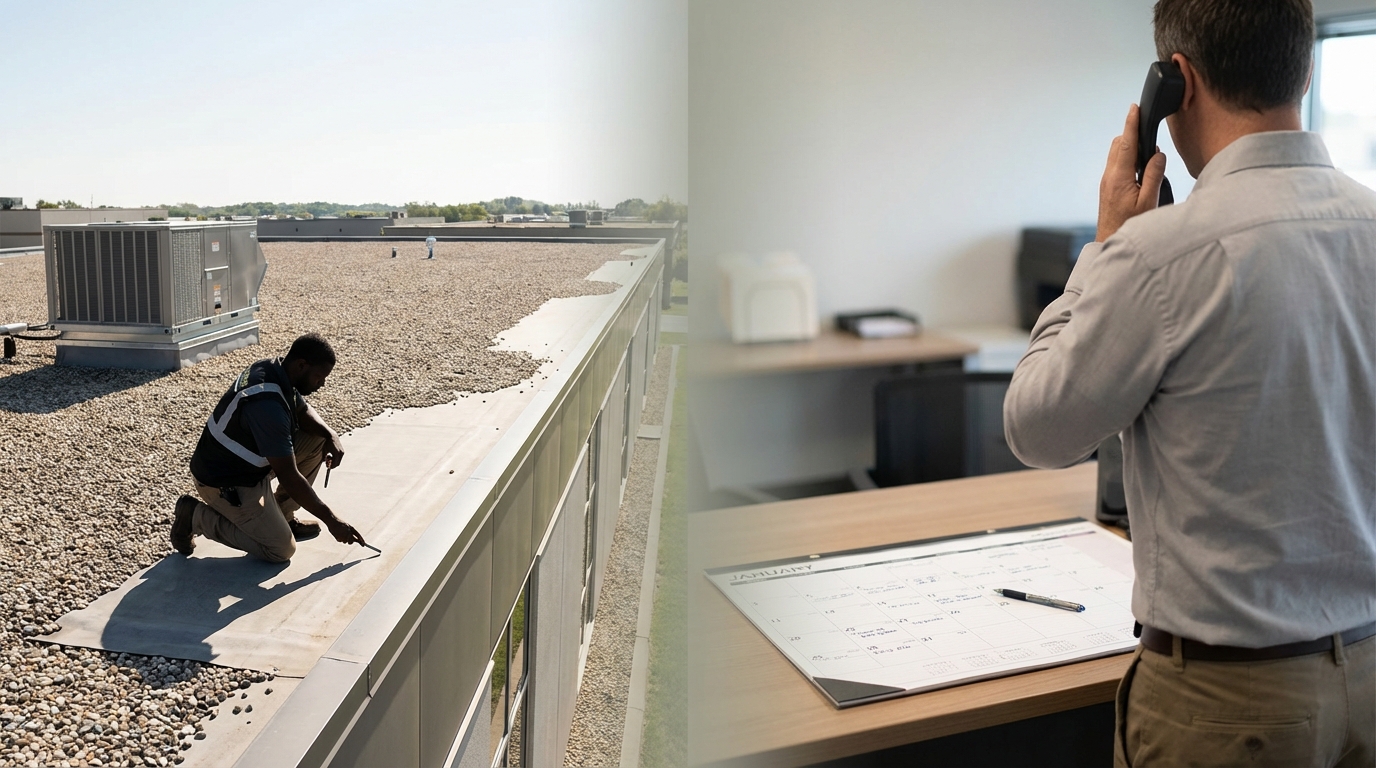
Every commercial building owner should schedule annual flat roof inspections in late spring or early fall. This single preventive measure saves an average of $15,000 per building in emergency repairs and extends roof life by 40-60%. Here's exactly why this timing works and how to implement an inspection program that protects your investment.
Most commercial building owners wait until they see water stains on the ceiling or puddles forming after storms. By then, you're looking at emergency repairs, potential inventory damage, and business interruption costs that dwarf the price of prevention. Annual inspections catch problems while they're still $500 fixes instead of $15,000 disasters.
Why Annual Inspections Are Non-Negotiable for Flat Roofs
Flat roofs face unique challenges that sloped roofs don't. Water doesn't run off quickly, so even minor membrane damage creates standing water that accelerates deterioration. UV exposure breaks down roofing materials year-round, and thermal expansion cycles create stress points that develop into leaks.
The numbers tell the story: buildings with annual inspection programs experience 73% fewer emergency roof repairs compared to reactive maintenance approaches. More importantly, planned repairs cost 60-80% less than emergency fixes because you can schedule work during favorable weather and negotiate better rates with contractors.
Commercial flat roof systems typically last 15-25 years with proper maintenance. Without regular inspections, that lifespan drops to 8-12 years. For a 20,000 square foot warehouse roof costing $120,000 to replace, annual inspections costing $800-1,200 protect a significant investment.
The Hidden Costs of Skipping Inspections
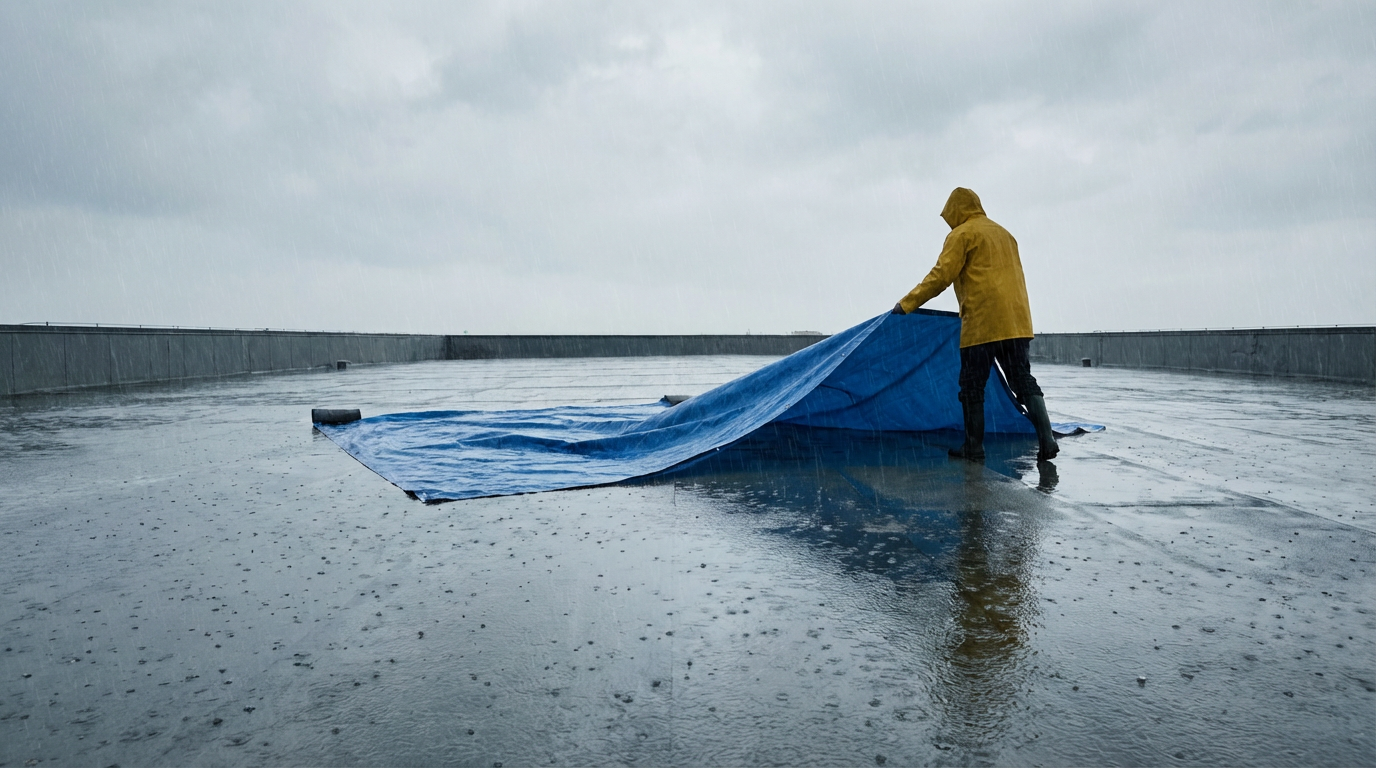
Emergency flat roof repair calls cost 3-4 times more than planned maintenance. When you call for emergency service during a storm, you're paying premium rates for immediate response. Contractors charge 50-100% more for emergency work, and you have no leverage to negotiate.
But repair costs are just the beginning. Water damage to inventory, equipment, and building interiors often exceeds the roof repair bill. A small leak in a retail space can damage thousands of dollars in merchandise. In a warehouse, water can destroy entire pallets of goods and create safety hazards.
Business interruption costs add up quickly. Closing sections of your building for emergency repairs means lost productivity, relocated operations, and potential revenue loss. Insurance may cover some costs, but deductibles and coverage gaps leave you exposed.
What Professional Inspections Actually Find
Trained commercial roofers in Elkhart Indiana identify problems invisible to building owners. Membrane punctures smaller than a pencil eraser can let in gallons of water during heavy rains. Loose flashing around HVAC units creates entry points for water and wind damage.
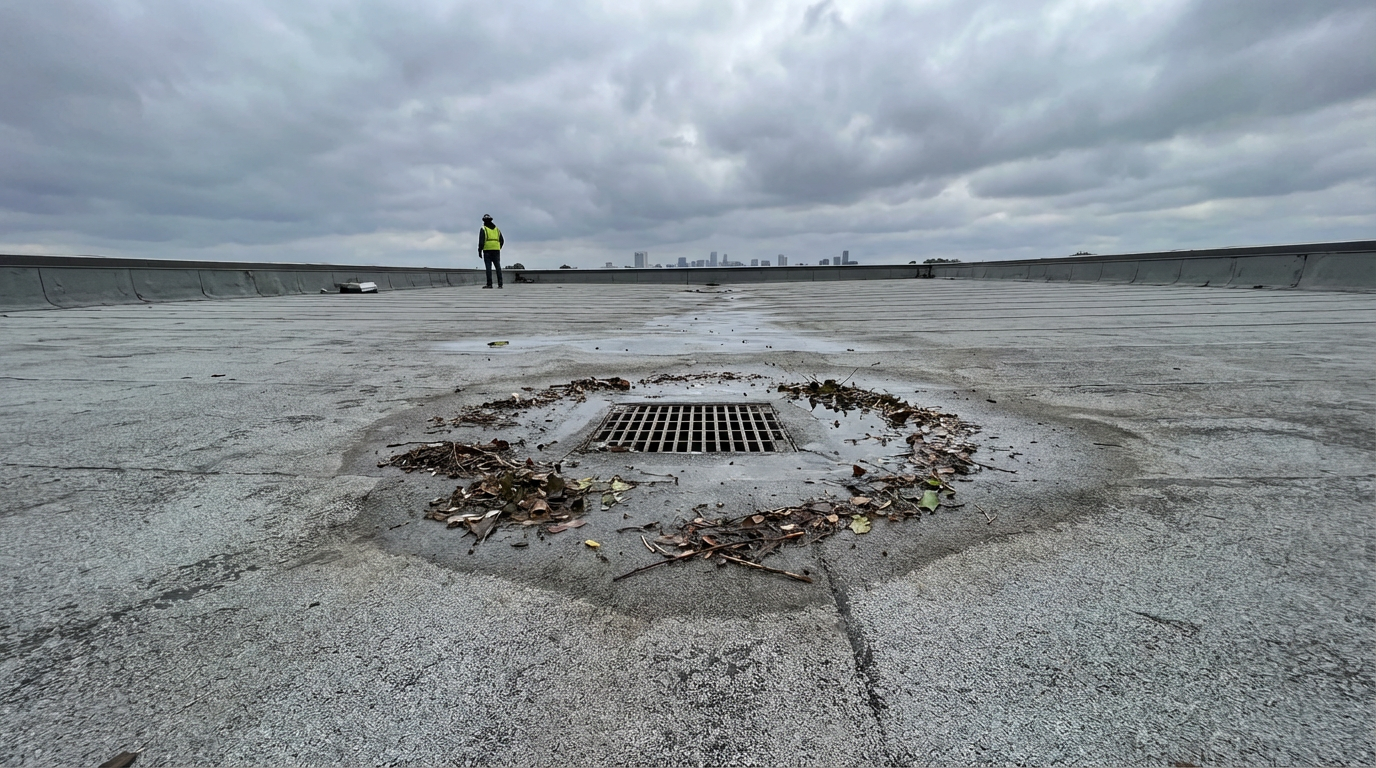
Drainage issues top the list of inspection findings. Clogged drains and gutters cause water to pond, accelerating membrane deterioration and creating ice dams in winter. Inspectors check that water flows properly to drains and doesn't pool in low spots.
Sealant degradation around penetrations is another common issue. Roof-mounted equipment, vents, and skylights require sealed connections that break down over time. These failures start small but expand rapidly once water finds a way in.
Professional inspections also evaluate the roof's structural condition. Sagging areas indicate potential deck problems that could lead to catastrophic failure if not addressed promptly.
Why Spring and Fall Are Optimal Inspection Times
Schedule your annual inspection in late spring (May) or early fall (September-October). These periods offer several advantages over other times of year.
Spring inspections reveal winter damage before summer storms arrive. Ice, snow loads, and freeze-thaw cycles stress roofing materials. Identifying problems in May gives you time to complete repairs before severe weather season.
Fall inspections prepare your roof for winter. This timing allows you to address any summer damage and ensure drainage systems are clear before snow and ice arrive. You'll also avoid the rush of emergency calls that come with the first major storm.
Weather conditions during these periods are ideal for both inspections and repairs. Moderate temperatures and lower humidity create better working conditions and allow materials to cure properly.
The Inspection Process That Actually Works
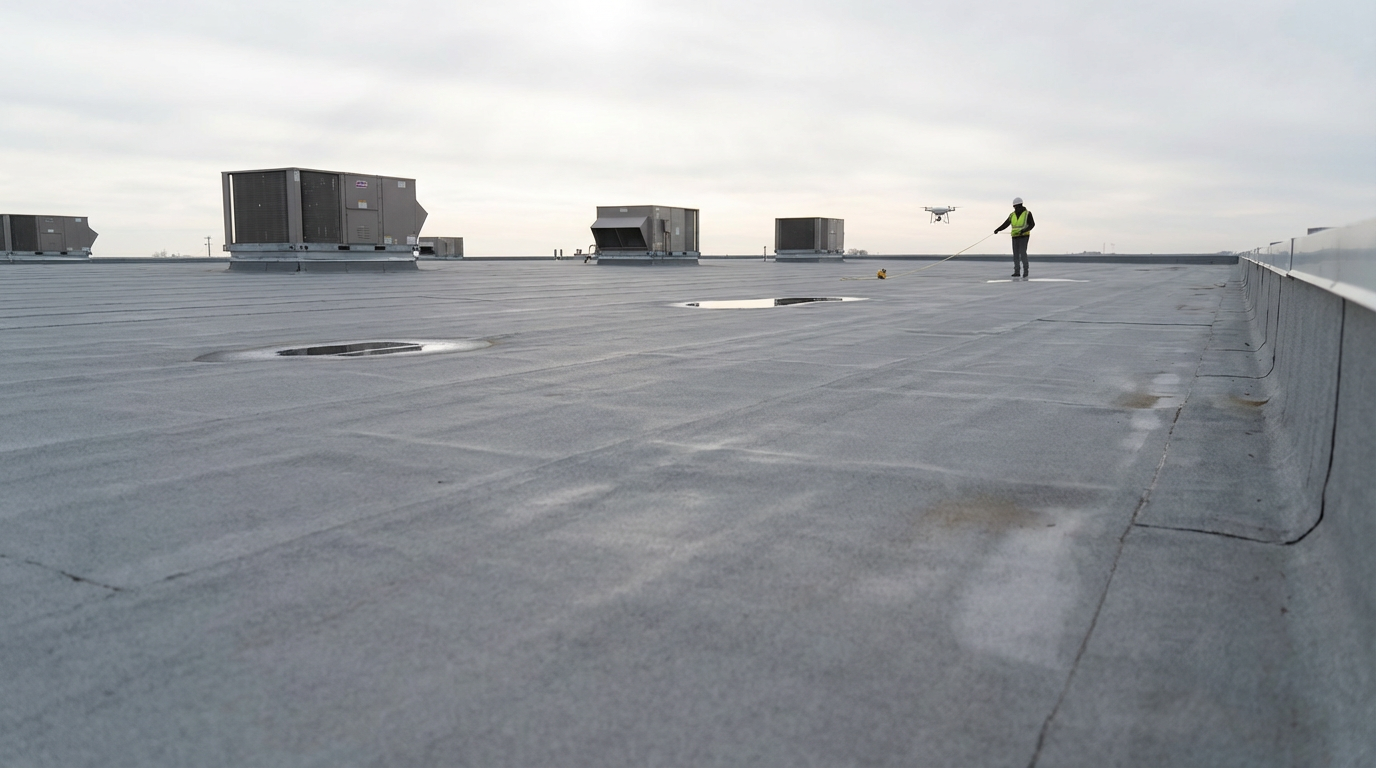
Effective commercial flat roof inspections follow a systematic approach that documents current conditions and identifies developing problems. Here's what a thorough inspection includes:
Exterior Assessment: Inspectors examine the entire roof surface for punctures, tears, blistering, and membrane separation. They check all penetrations, flashing, and edge details where most leaks originate.
Drainage Evaluation: Every drain, gutter, and downspout gets checked for proper flow and blockages. Inspectors verify that water doesn't pond anywhere on the roof surface.
Structural Review: The inspection includes checking for sagging, excessive deflection, or other signs of structural stress that could indicate deck problems.
Documentation: Professional inspections provide detailed reports with photos showing problem areas and recommended repairs. This documentation helps you budget for maintenance and provides records for insurance purposes.
How to Choose the Right Inspector
Not all roof inspections deliver equal value. Choose inspectors with specific flat roof experience and proper certifications. Industrial roofing services in Michiana should understand local weather patterns and building codes that affect commercial roofs.
Look for contractors who provide detailed written reports rather than verbal summaries. Good reports include photos of problem areas, repair recommendations with priority levels, and cost estimates for recommended work.
Avoid inspectors who find expensive problems on every roof or push for immediate replacement. Quality inspectors focus on extending roof life through proper maintenance rather than selling unnecessary work.
Building Your Maintenance Schedule Around Inspections
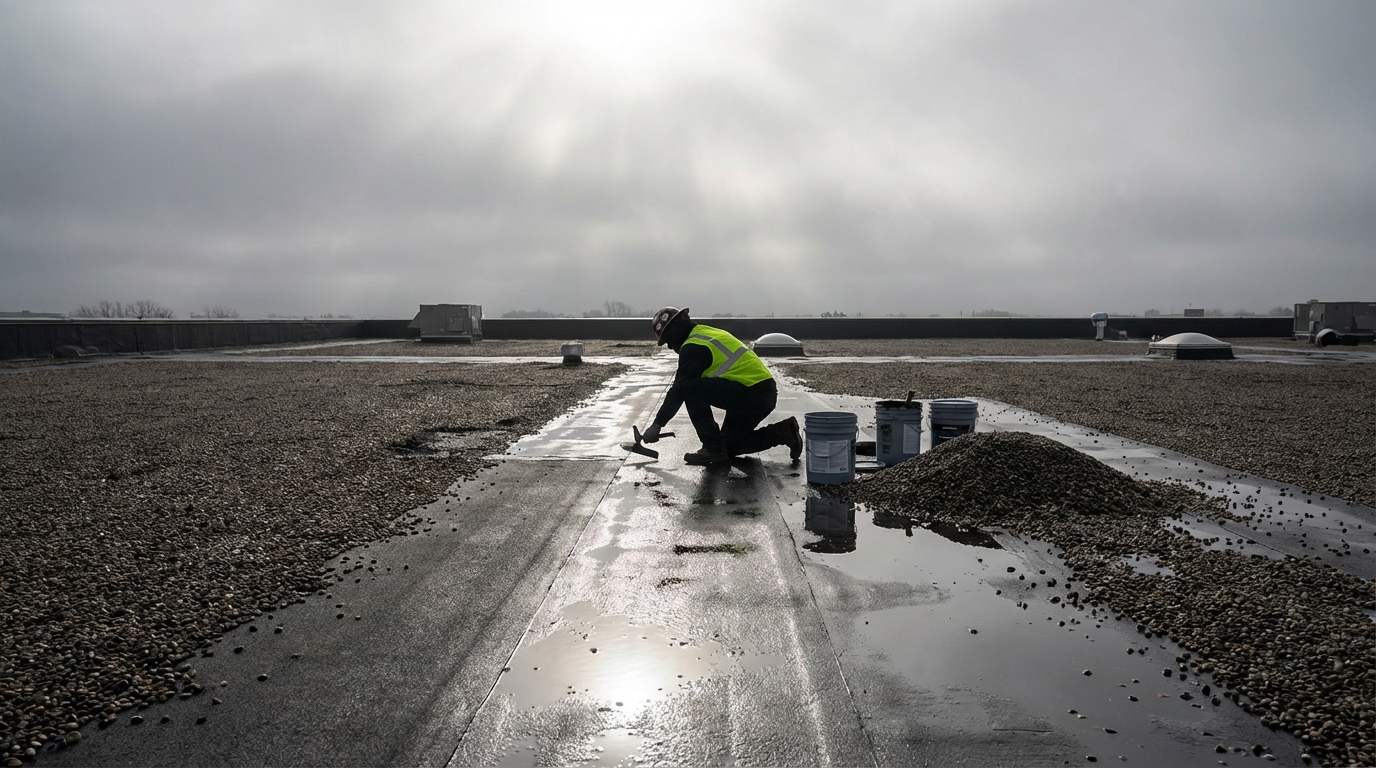
Annual inspections work best as part of a comprehensive maintenance program. Schedule minor repairs immediately after inspections while problems are small and weather permits quality work.
Plan major maintenance items based on inspection findings and manufacturer recommendations. Most commercial roofing materials require specific maintenance intervals to maintain warranty coverage.
Keep detailed records of all inspections and repairs. This documentation helps track roof performance, plan budgets, and may be required for warranty claims or insurance purposes.
The ROI Math That Justifies Inspection Costs
Annual inspections typically cost $800-1,500 for commercial buildings, depending on size and complexity. Compare this to average emergency flat roof repair costs of $8,000-15,000 per incident.
Buildings with annual inspection programs average one emergency repair every 8-10 years. Buildings without regular inspections average one emergency every 3-4 years. The math is clear: inspections pay for themselves by preventing just one emergency repair.
Factor in extended roof life, and the ROI becomes even more compelling. A roof that lasts 20 years instead of 12 saves $40,000-60,000 in replacement costs for a typical commercial building.
Common Inspection Alternatives and Why They Fall Short
Some building owners try quarterly visual checks from the ground or rely on maintenance staff to spot problems. These approaches miss critical issues that require close examination and professional expertise.
Bi-annual inspections might seem like a reasonable compromise, but they often miss seasonal damage patterns. Spring damage goes undetected until fall, allowing problems to worsen throughout the summer storm season.
Waiting for visible leaks to trigger inspections means you're already in emergency mode. By the time water appears inside the building, roof damage is typically extensive and expensive to repair.
Frequently Asked Questions
How much does a commercial flat roof inspection cost?
Professional inspections typically cost $800-1,500 for most commercial buildings. This investment prevents emergency repairs averaging $8,000-15,000 and extends roof life significantly.
Can I inspect my own flat roof?
While you can check for obvious problems, professional inspectors have training and equipment to identify issues invisible to building owners. Small membrane defects and drainage problems require expert evaluation.
What happens if the inspection finds major problems?
Inspectors provide prioritized repair recommendations with cost estimates. Critical issues affecting building safety get immediate attention, while minor problems can be scheduled for convenient timing.
Do inspections void my roof warranty?
Professional inspections typically support warranty coverage by demonstrating proper maintenance. Many manufacturers require regular inspections to maintain warranty protection.
How long does a commercial roof inspection take?
Most commercial flat roof inspections take 2-4 hours depending on building size and complexity. You'll receive a detailed written report within 24-48 hours.
Should I be present during the inspection?
While not required, being present allows you to ask questions and understand problem areas firsthand. Inspectors can explain findings and maintenance recommendations in detail.
Your Next Step: Protecting Your Investment
Annual flat roof inspections represent the single most effective way to protect your commercial building investment. The choice is simple: spend $1,000 annually on prevention or risk $15,000+ emergency repairs when problems go undetected.
Schedule your inspection for late spring or early fall to maximize protection and repair opportunities. Choose experienced commercial flat roof contractors who understand your building's specific needs and local weather challenges.
Don't wait for the next storm to reveal roof problems. Proactive maintenance through annual inspections keeps your building dry, your operations running, and your repair costs predictable.