Estimated Reading Time: 7 minutes
The best time to schedule a flat roof inspection in Northern Indiana is twice a year: once in late spring (April-May) and once in early fall (September-October). This schedule gives you maximum protection against weather damage while catching problems when they're still affordable to fix.
Most commercial building owners wait until they see water stains on the ceiling or puddles on the floor. By then, what could have been a $500 repair has become a $15,000 emergency replacement. The smart money is on prevention, not reaction.
Why Spring and Fall Inspections Work Best in Michiana
Northern Indiana's weather puts flat roofs through hell. Winter freeze-thaw cycles crack membranes. Spring storms dump water faster than drains can handle. Summer heat bakes seams until they split. Fall brings debris that clogs gutters and creates ice dams.
Your spring inspection catches winter damage before summer heat makes it worse. Your fall inspection identifies vulnerabilities before ice and snow stress them to the breaking point.
Here's what 40+ years of Industrial Roofing Services Michiana has taught us: buildings inspected twice yearly have 70% fewer emergency repairs than those checked only when problems surface. The numbers don't lie.
The Hidden Cost of "Wait and See"
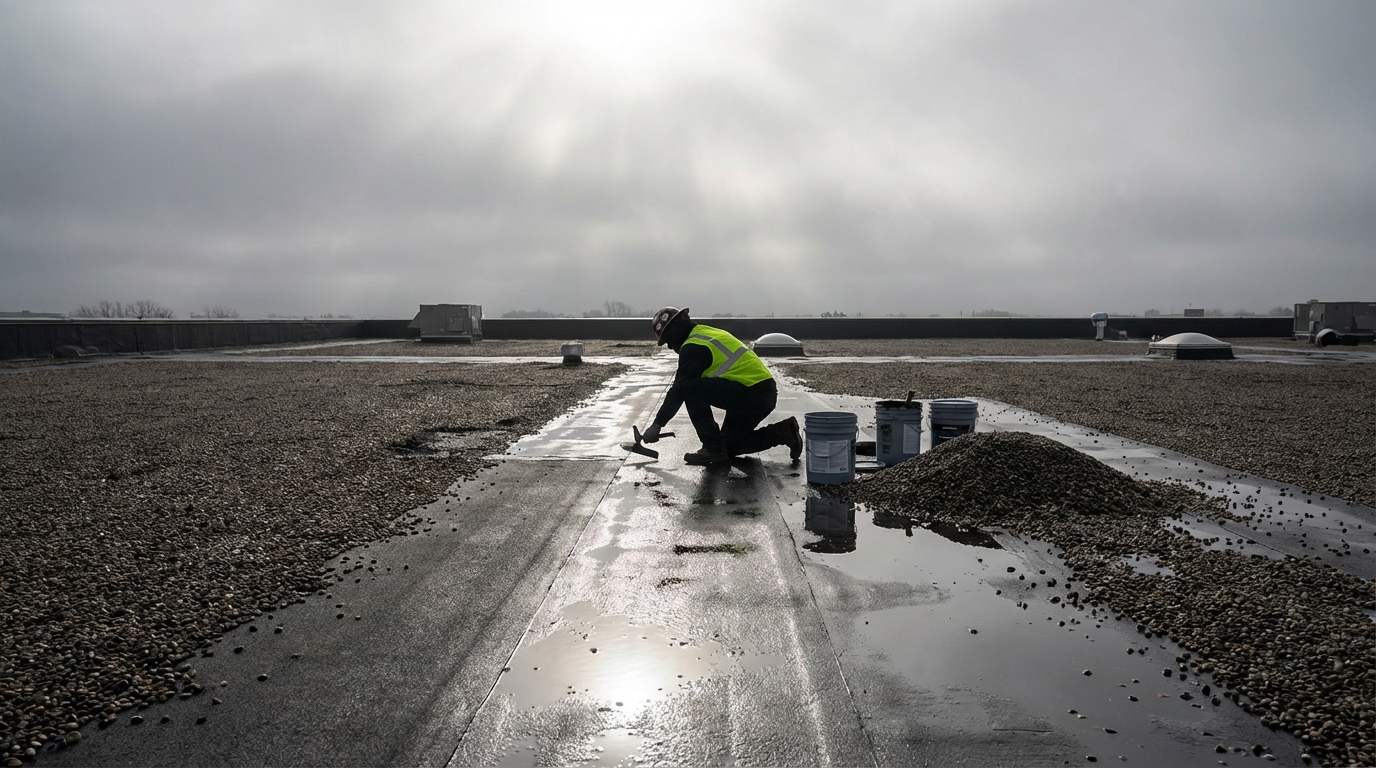
A small membrane tear costs $200 to patch in April. That same tear, after summer expansion and fall contraction, becomes a $2,000 section replacement by November. Water infiltration adds another $5,000 in insulation and deck repairs.
Commercial facility managers who schedule preventive inspections spend an average of $1,200 annually on roof maintenance. Those who wait for visible problems spend $4,800 on emergency repairs - and still need the maintenance work.
The math is simple. Prevention costs less than reaction.
What About Monthly or Quarterly Inspections?
Some roofing companies push monthly inspections. It's overkill for most commercial buildings. Flat roofs don't deteriorate that fast under normal conditions. You're paying for unnecessary visits that don't add value.
Quarterly inspections miss the seasonal transitions where most damage occurs. You might catch summer problems in September, but miss the spring damage that caused them.
The twice-yearly schedule hits the sweet spot: comprehensive enough to catch problems early, spaced enough to be cost-effective.
Exactly When to Schedule Your Inspections
Spring Inspection: April 15 - May 15
Schedule after the last freeze but before heavy spring rains. This timing lets you:
Assess winter damage while repairs are still straightforward
Clear debris before it blocks drains during spring storms
Fix small problems before summer heat expands them
Plan major repairs for the ideal summer weather window
Fall Inspection: September 15 - October 15
Schedule after summer heat but before first freeze. This timing helps you:
Identify heat damage before winter makes it worse
Clean gutters and drains before leaf season peaks
Seal minor issues before freeze-thaw cycles begin
Budget for spring repairs if needed
The Tru-Kote Inspection Process
Not all inspections are created equal. Here's what a proper flat roof inspection includes:
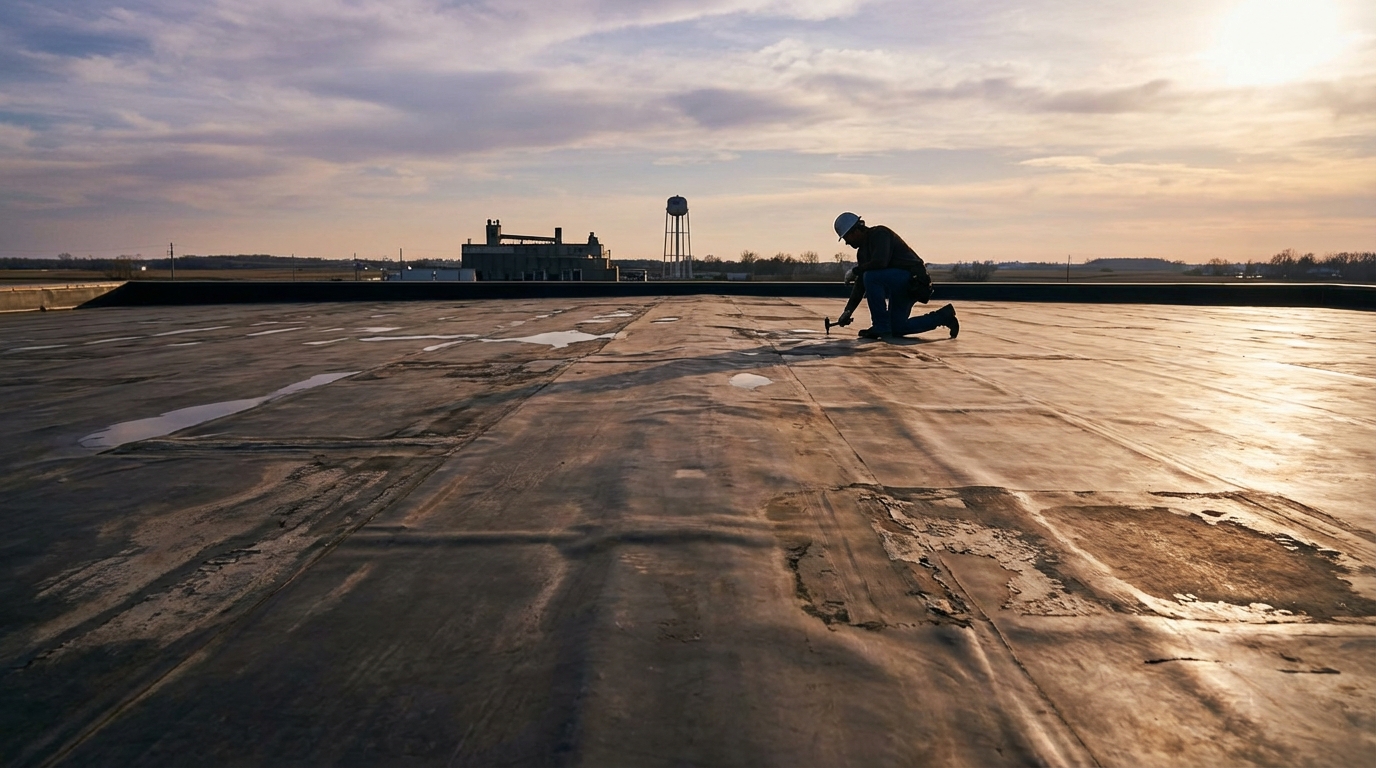
Membrane Assessment: Check for cracks, blisters, shrinkage, and punctures. Test seam integrity. Measure remaining membrane thickness.
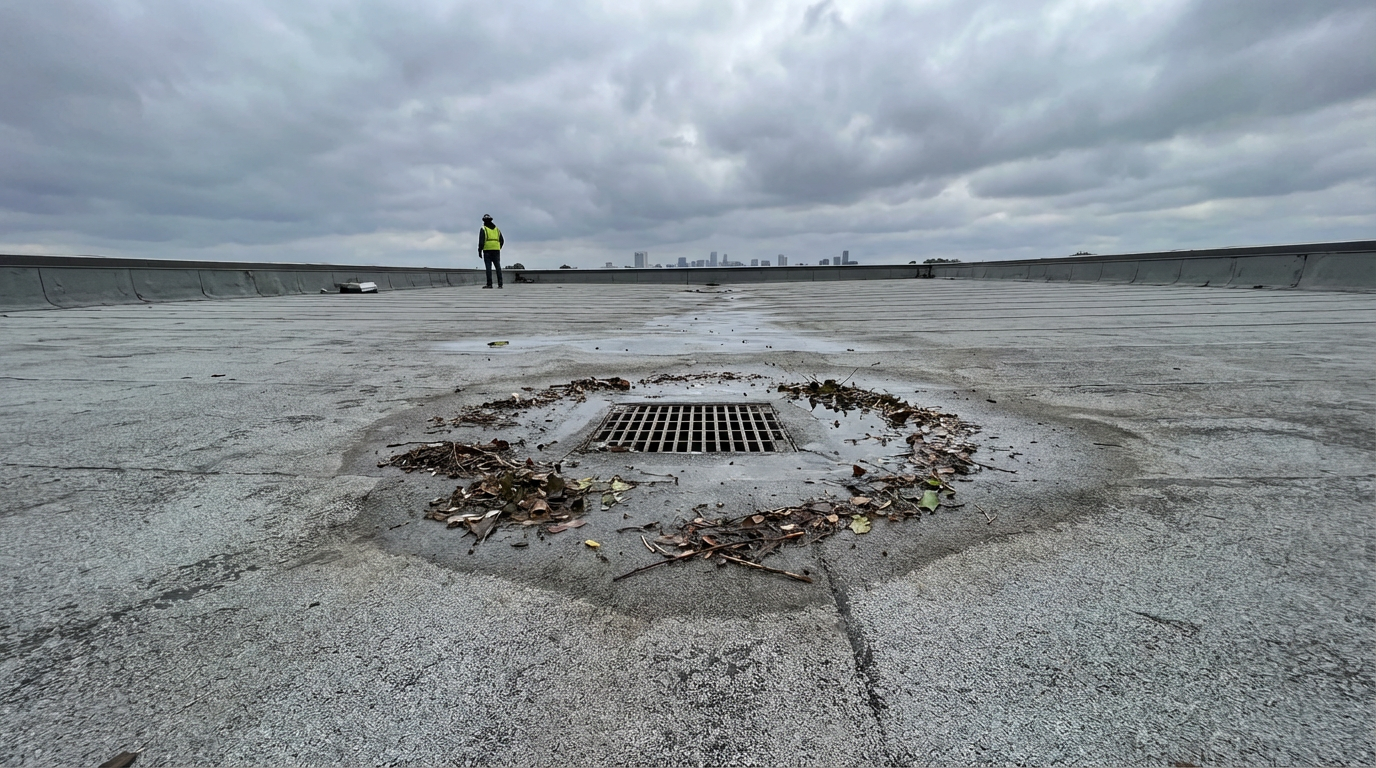
Drainage Evaluation: Verify proper slope and drainage. Clear blocked drains and gutters. Check for ponding water areas.
Flashing Review: Inspect all penetrations, edges, and transitions. Look for loose or corroded flashing that could allow water entry.
Structural Check: Examine deck condition, insulation integrity, and any visible sagging or damage.
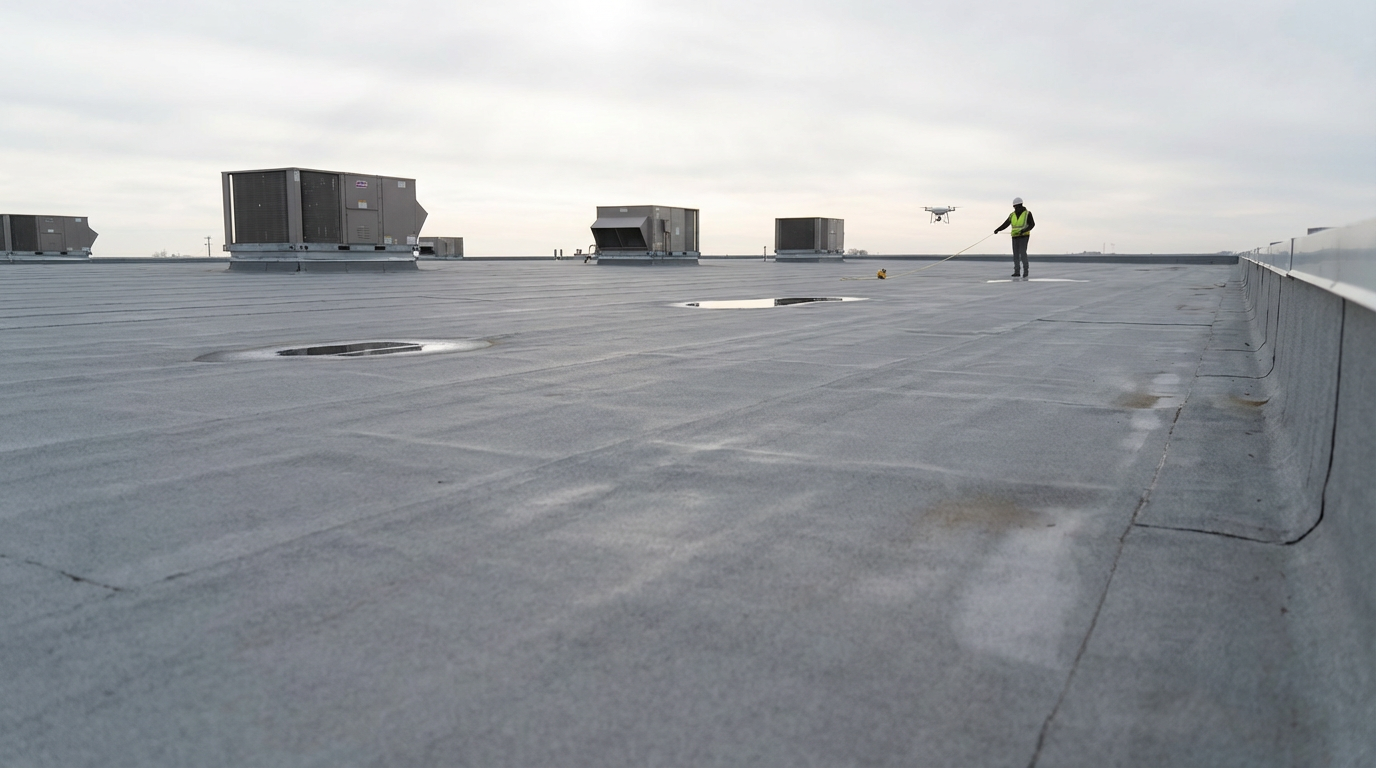
Documentation: Photograph all issues with GPS coordinates. Provide written report with repair priorities and cost estimates.
Special Circumstances That Change the Schedule
New Roofs (0-2 years): Inspect quarterly for the first two years. New installations need monitoring to catch warranty issues early.
Older Roofs (15+ years): Consider three inspections annually - spring, mid-summer, and fall. Aging membranes need closer monitoring.
High-Risk Buildings: Warehouses with heavy equipment, restaurants with grease exhaust, or buildings with frequent roof access need more frequent checks.
Post-Storm Protocol: Always inspect within 48 hours after severe weather. Don't wait for your scheduled inspection if you've had hail, high winds, or heavy rain.
The Real ROI of Preventive Inspections
A professional inspection costs $300-500 for most commercial buildings. Compare that to:
Emergency flat roof repair: $2,000-8,000
Business interruption during emergency repairs: $5,000-20,000
Water damage to inventory or equipment: $10,000-50,000
Full roof replacement due to neglect: $50,000-200,000
The inspection pays for itself if it prevents just one emergency repair. Most inspections catch 3-5 issues that would become expensive problems.
Why Northern Indiana Weather Demands This Schedule
Our climate is uniquely hard on flat roofs. Temperature swings from -20°F to 95°F stress membranes beyond their design limits. Ice loading can exceed 40 pounds per square foot. Spring storms dump 2-3 inches of rain in an hour.
Roofs designed for steady climates fail here without proper maintenance. The twice-yearly schedule accounts for our weather extremes.
Commercial roofer in Elkhart Indiana contractors see the same patterns year after year: buildings on the twice-yearly schedule last 25-30 years. Those inspected only when problems appear need replacement in 15-20 years.
What Happens During Peak Season
Spring and fall are busy times for roofing contractors. Quality companies book up fast. Schedule your inspections 2-3 months in advance to ensure availability.
If you can't get your preferred timing, slightly early is better than late. A March inspection beats waiting until June. An August inspection trumps November.
Avoid scheduling during peak storm season (May-June) or extreme cold (December-February) unless it's an emergency.
Building Your Inspection Into Operations
Smart facility managers treat roof inspections like HVAC maintenance - scheduled, budgeted, and non-negotiable. Add inspection dates to your facility calendar. Budget $1,000-1,500 annually for inspections and minor repairs.
Keep a roof file with inspection reports, repair records, and warranty information. This documentation helps with insurance claims and proves maintenance for warranty coverage.
Train your staff to do monthly visual checks from inside the building. Water stains, temperature variations, or unusual sounds can indicate problems between professional inspections.
Frequently Asked Questions
Can I inspect my own flat roof?
Basic visual checks are helpful, but professional inspections catch problems you'll miss. Membrane damage often isn't visible from ground level, and drainage issues require specialized knowledge to identify. Professional inspectors also carry liability insurance for roof access.
What if I just had my roof replaced - do I still need inspections?
Yes, especially in the first two years. New installations can have installation defects or material issues that only show up after weather exposure. Most warranties require documented maintenance to remain valid.
Should I inspect after every storm?
Inspect after severe weather (hail, winds over 60 mph, or heavy rain). Minor storms don't typically cause immediate damage, but document any you suspect caused issues for insurance purposes.
How long does a commercial flat roof inspection take?
Typically 1-3 hours depending on building size and complexity. Simple warehouse roofs take less time than complex retail buildings with multiple penetrations and equipment.
What's included in the inspection cost?
Professional inspections include roof access, comprehensive examination, photo documentation, written report with prioritized recommendations, and basic debris removal from drains. Major repairs are quoted separately.
Can inspections be done in winter?
Emergency inspections can be done year-round, but routine inspections are best avoided when temperatures are below 20°F or when ice makes roof access dangerous. Plan ahead to avoid winter scheduling.
The twice-yearly inspection schedule isn't just a recommendation - it's the proven approach that saves money and prevents emergencies. Spring and fall timing gives you maximum protection for minimum cost.
Your flat roof is protecting your biggest business investment. Two inspections a year is a small price to pay for peace of mind and predictable maintenance costs. The alternative is rolling the dice with emergency repairs and business interruption.