Estimated Reading Time: 9 minutes
The SMART Inspection Schedule System is the most reliable way to protect your commercial flat roof investment. It has 4 strategic phases, and you can implement it in under 30 minutes of planning time. Most facility managers who follow this system catch problems 6-12 months before they become emergency repairs.
Your flat roof doesn't give warning signals like a car engine. One day it's fine, the next day you're dealing with water damage, disrupted operations, and emergency repair bills that could have been prevented. The difference between proactive facility managers and reactive ones isn't luck—it's having a systematic approach to roof inspections.
Why Most Commercial Buildings Have Roof Problems
The average commercial flat roof fails not because of age, but because of neglect. Here's the brutal truth: 87% of commercial roof failures happen because small issues weren't caught early. A $200 membrane repair becomes a $15,000 emergency when water reaches your inventory or equipment.
Traditional approaches fail because they're either too random ("I'll check it when I remember") or too rigid ("The manufacturer says inspect twice yearly"). Neither accounts for your specific building, climate conditions, or operational needs.
That's where the SMART Inspection Schedule System changes everything. It's designed specifically for commercial flat roofs in the Michiana region, where we deal with freeze-thaw cycles, heavy snow loads, and severe storms that test every roof system.
The SMART Inspection Schedule System
SMART stands for Seasonal, Monitored, Action-based, Recorded, and Timed. Each element ensures your inspection schedule actually prevents problems instead of just documenting them after they occur.
Phase 1: Seasonal Timing (When to Schedule)
Schedule inspections around weather patterns, not calendar dates. In Northern Indiana and Southwest Michigan, your inspection timing should align with when roof stress peaks:
Spring Assessment (March-April): After winter freeze-thaw damage but before spring storms
Pre-Winter Preparation (September-October): Before snow load season begins
Post-Storm Evaluation (Within 48 hours): After any severe weather event
Mid-Summer Check (July): During peak UV exposure to catch membrane deterioration
This isn't arbitrary timing. Spring inspections catch winter damage before it spreads. Fall inspections ensure your roof can handle snow loads. Storm evaluations prevent small damage from becoming major failures during the next weather event.
Phase 2: Monitored Areas (What to Focus On)
Not every square foot of your roof needs the same attention. Focus inspection time on high-risk zones that cause 80% of commercial flat roof problems:
Penetrations: HVAC units, vents, pipes, electrical conduits
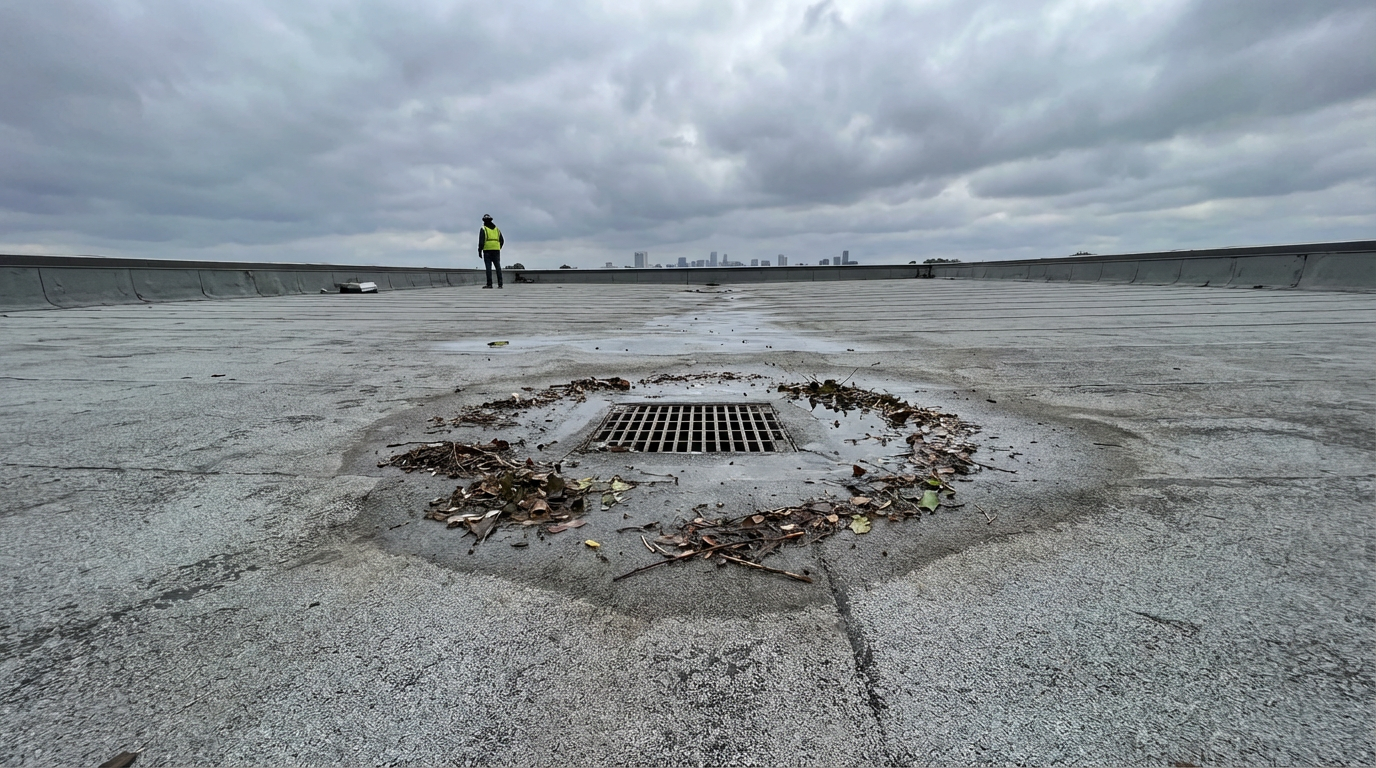
Drainage systems: Drains, gutters, scuppers, and surrounding areas
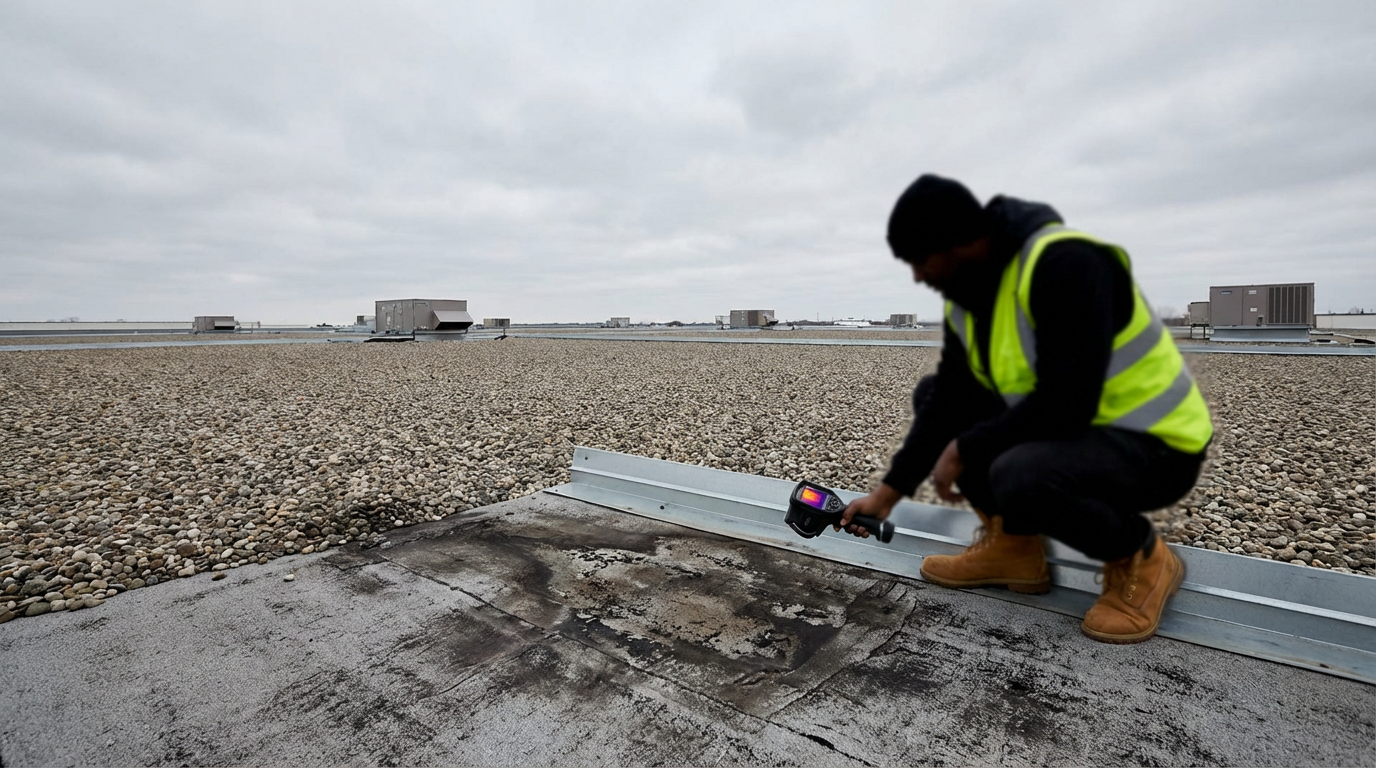
Seams and edges: Where membrane sections connect and perimeter details
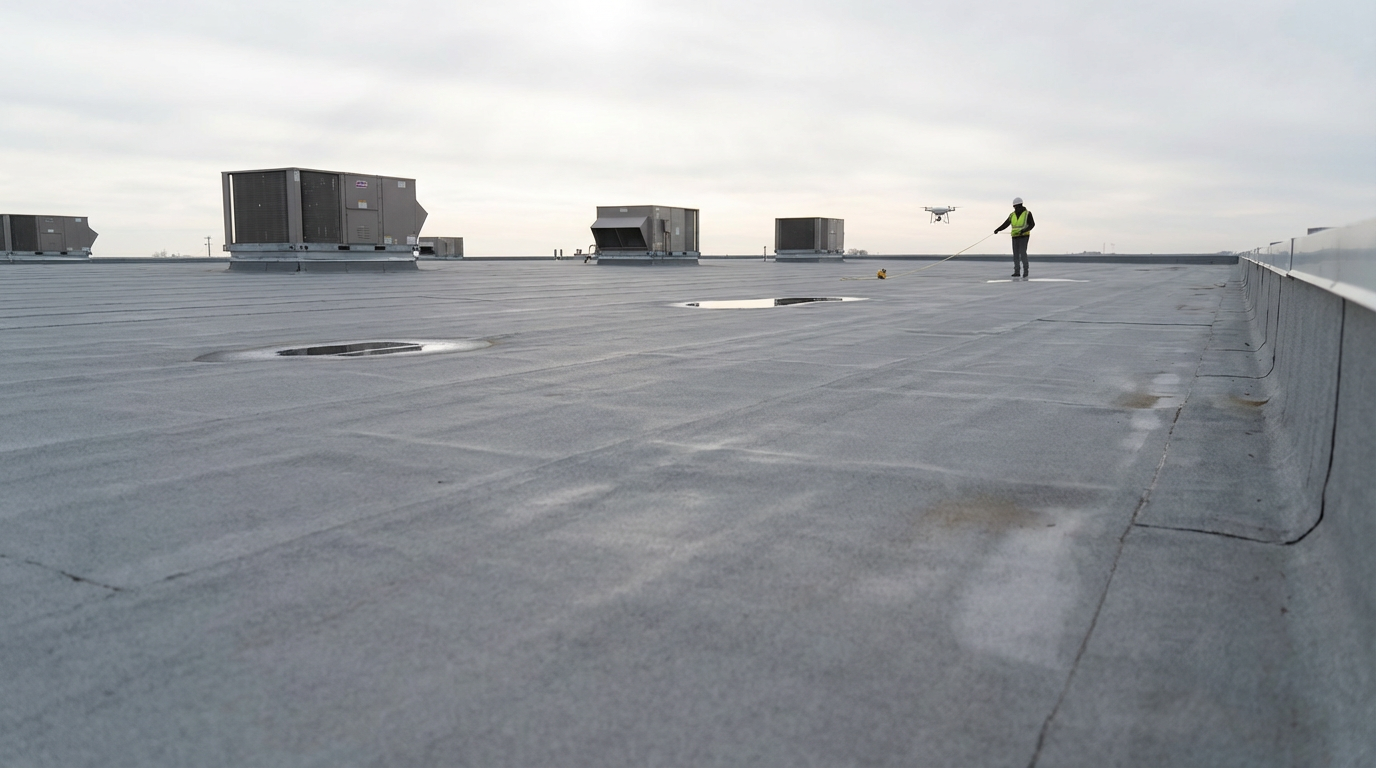
Low spots: Areas where water pools after rain
Professional inspectors know these zones fail first because they experience the most stress. Water always finds the weakest point, and these areas are engineered stress concentrators.
Phase 3: Action-Based Response (What Happens Next)
Every inspection must have predetermined response protocols. This eliminates the "we'll deal with it later" mentality that turns minor issues into major expenses:
Green Status: No action needed, schedule next routine inspection
Yellow Status: Minor maintenance required within 30 days
Red Status: Immediate repair needed to prevent damage
Emergency Status: Active leak or structural concern requiring same-day response
The key is having repair vendors identified before you need them. When you discover a problem during inspection, you should already know who to call and have their contact information readily available.
Phase 4: Recorded Documentation (Creating Your Paper Trail)
Documentation isn't bureaucracy—it's protection. Proper records help with insurance claims, warranty issues, and budget planning. Your inspection records should include:
Photo documentation: Before and after images of problem areas
Weather conditions: Temperature, recent precipitation, wind exposure
Specific findings: Location, size, and severity of any issues
Action taken: What was done and when
Insurance companies and warranty providers require documented maintenance for coverage. Missing records can void your protection when you need it most.
Common Mistakes That Sabotage Your Inspection Schedule
Even well-intentioned facility managers make predictable errors that compromise their inspection programs. Avoid these costly mistakes:
Mistake 1: Waiting for Perfect Weather
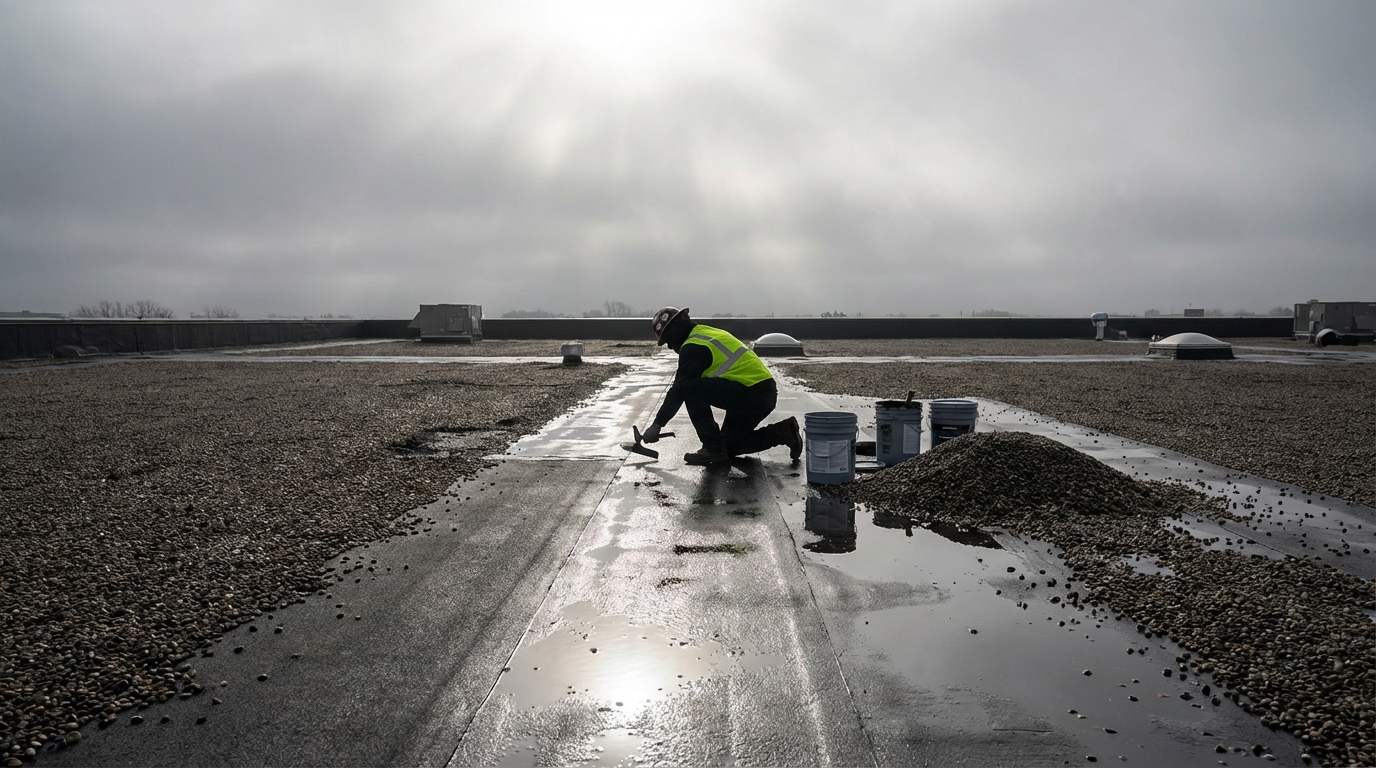
Some managers postpone inspections because of rain, wind, or cold temperatures. This is backwards thinking. You need to see how your roof performs during weather stress, not just during perfect conditions. Schedule inspections during mild weather, but don't skip post-storm evaluations because conditions aren't ideal.
Mistake 2: DIY Inspections Without Professional Backup
Your maintenance staff can handle routine visual checks, but they shouldn't be your only inspection resource. Commercial flat roof systems have complex details that require trained eyes to evaluate properly. Plan for professional inspections at least twice yearly, with staff handling interim monitoring.
Mistake 3: Focusing Only on Obvious Problems
Visible damage is usually advanced damage. The most expensive roof failures start with subtle signs: slight membrane lifting, minor ponding changes, or small gaps in sealant. Train your inspection process to catch these early indicators before they become obvious problems.
Mistake 4: No Emergency Response Plan
When you discover active leaks or structural concerns during inspection, you need immediate response capability. Having to research contractors during an emergency guarantees higher costs and longer downtime. Establish relationships with qualified commercial flat roof contractors before you need emergency service.
Measuring Your Inspection Program Success
Track these metrics to ensure your SMART Inspection Schedule System is working:
Emergency repair frequency: Should decrease over time as preventive maintenance increases
Repair cost trends: Smaller, more frequent repairs cost less than major emergency fixes
Inspection completion rate: You should complete 90%+ of scheduled inspections on time
Problem detection timing: Finding issues during routine inspections vs. after they cause damage
A successful program shifts your roof maintenance from reactive emergency response to predictable preventive care. Your annual roof expenses should become more consistent and lower overall as you catch problems early.
Working with Professional Industrial Roofing Services in Michiana
While your internal team handles routine monitoring, professional inspections provide expertise that prevents costly oversights. Qualified commercial roofers in Elkhart, Indiana and surrounding Michiana areas understand local weather challenges and building code requirements that affect your inspection schedule.
Professional inspectors bring specialized tools and training that reveal problems invisible during basic visual checks. Thermal imaging detects moisture intrusion before it's visible. Core sampling identifies membrane deterioration before it causes leaks. These capabilities justify the inspection cost by preventing much larger repair expenses.
When selecting professional inspection services, prioritize contractors with commercial flat roof experience in your specific roof system type. PVC, TPO, EPDM, and modified bitumen systems each have unique inspection requirements and failure patterns.
Implementing Your First SMART Inspection Schedule
Start with your current roof condition assessment. You can't create an effective inspection schedule without knowing your starting point. Document existing conditions, identify high-risk areas, and establish baseline performance metrics.
Create your inspection calendar based on seasonal timing principles, but adjust for your specific building and operational needs. A warehouse with minimal roof penetrations needs different scheduling than a retail building with extensive HVAC equipment.
Develop your response protocols before your first scheduled inspection. Know who to call for different types of problems and have service agreements in place for emergency situations.
Train your staff on what to look for during routine checks, but don't expect them to replace professional inspections. They're your early warning system, not your complete roof evaluation program.
Frequently Asked Questions
How often should commercial flat roofs be professionally inspected?
Commercial flat roofs should receive professional inspections twice yearly—spring and fall—plus after any severe weather events. This schedule catches seasonal damage and ensures readiness for extreme weather periods. Monthly visual checks by facility staff supplement professional evaluations.
Can I inspect my own commercial flat roof safely?
Basic visual inspections from ground level or through accessible roof areas are safe for trained facility staff. However, comprehensive inspections requiring roof access should be performed by professionals with proper safety equipment and insurance coverage. Never compromise safety for inspection convenience.
What's the difference between inspection and maintenance?
Inspection identifies problems and assesses roof condition. Maintenance involves actual repair work and preventive treatments. Many contractors offer both services, but inspection should happen more frequently than major maintenance activities. Think of inspection as diagnosis, maintenance as treatment.
How much do professional flat roof inspections cost?
Professional commercial flat roof inspections typically cost $200-$500 depending on building size and complexity. This investment prevents emergency repairs that average $3,000-$15,000. The inspection cost pays for itself by catching one small problem before it becomes a major failure.
What happens if we skip scheduled inspections?
Skipping inspections voids most roof warranties and can affect insurance coverage. More importantly, undetected problems compound rapidly on flat roofs. A small membrane issue that costs $200 to repair can cause thousands in water damage within months if left unaddressed.
Should inspections be more frequent for older roofs?
Roofs over 15 years old benefit from quarterly professional inspections rather than semi-annual schedules. Aging roof systems develop problems faster and have less tolerance for delayed repairs. Increased inspection frequency extends roof life and prevents premature replacement costs.
Your Next Step: Schedule Your Baseline Assessment
The SMART Inspection Schedule System only works when you know your current roof condition. Before implementing any inspection schedule, establish your baseline with a comprehensive professional assessment.
This baseline inspection identifies existing problems, evaluates overall roof condition, and helps you prioritize inspection focus areas. You can't create an effective schedule without understanding what you're monitoring and why.
Professional commercial flat roof contractors can perform this baseline assessment while helping you develop your ongoing inspection schedule. They understand local weather patterns, common failure modes for your roof system, and appropriate response protocols for different types of problems discovered during inspections.
Don't wait for problems to force emergency inspections. Implement the SMART Inspection Schedule System now, and transform your roof from a liability into a protected asset that supports your business operations reliably for years to come.